May 7, 2026
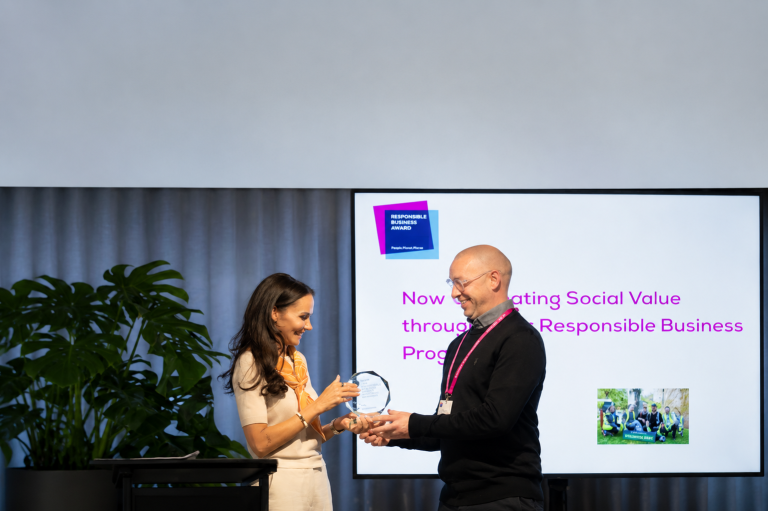
Novus Property Solutions wins Business in the Community award

Novus Property Solutions wins Business in the Community award

Maintenance, refurbishment and fit out contractor, Novus Property Solutions, has been recognised at the Business in the Community (BITC) North West Responsible Business Impact Showcase, held in Manchester on 30th April 2026. Novus was recognised as one of a small number of organisations to deliver in all three of BITC’s

Read More »
Winvic to launch ESG whitepaper at UKREiiF during landmark 25th year

Winvic to launch ESG whitepaper at UKREiiF during landmark 25th year

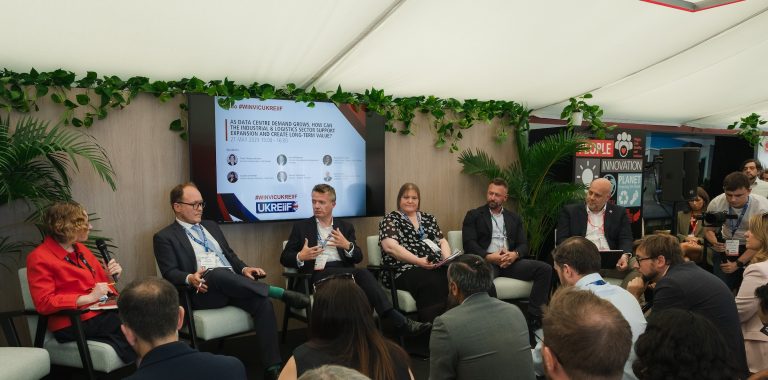
Winvic Construction Ltd will return to real estate event UKREiiF next month during its 25th year, leading its presence with the launch of a major new ESG whitepaper calling for regulatory action to accelerate net zero across the built environment. Demonstrating its continued commitment to the UK’s real estate, infrastructure

Read More »
Why Proactive Construction Safety Planning Matters More Than Ever

Why Proactive Construction Safety Planning Matters More Than Ever

Key Takeaways Modern construction moves at a high speed, making it dangerous to wait for an accident to occur before fixing a problem. By spotting risks early, companies protect their workers’ lives and prevent the long-term health issues that often go unnoticed in busy environments. This forward-thinking approach keeps projects

Read More »
Latest Issue
Issue 340 : May 2026

May 7, 2026

Pagabo combines infrastructure and demolition frameworks under innovative new £4bn framework

Pagabo combines infrastructure and demolition frameworks under innovative new £4bn framework

LEADING digital framework specialist Pagabo has begun an open procedure by inviting contractors to compete for a place on its largest infrastructure procurement offering to date – the National Framework for Civil Engineering, Infrastructure and Enabling Works 2026. Once launched in September, the new framework with an estimated total value of up to £4.15bn will run for a term of four years and is compliant with the Procurement Act 2023 and Procurement Regulations 2024. The new offering will combine the scopes of the National Framework for Civils and Infrastructure and the National Framework for Demolition and Land Preparation, which both helped to establish Pagabo’s presence in the infrastructure sector and support public sector organisations with procuring transformational schemes. Following the formation of a 10-year strategic delivery partnership that will see resources, reputation and expertise combined to establish a new benchmark for construction procurement, this is one installment in a series of new frameworks being brought to market by Pagabo and YPO in 2026. YPO is the centralised procurement authority for the framework, while Pagabo is the framework manager responsible for design, delivery and ongoing management. Created to connect public sector bodies and private organisations with appointed contractors that will collaboratively deliver quality service and value for money outcomes, the framework agreement can be used by sectors such as local government, NHS and health service providers, blue light, housing and education. David Llewellyn, construction and infrastructure director at Pagabo, said: “Significant consideration has gone into the decision behind merging two of the existing frameworks that we manage. In doing so, we are able to streamline the procurement of important works covering civil engineering, infrastructure and enabling works, while ensuring the compliance, transparency and impactful delivery that our clients expect from us. “This open procedure is set to be a competitive opportunity for contractors across the UK, with the new procurement regulations and our own commitment to SME inclusion meaning that the very best quality businesses are able to deliver the public sector’s infrastructure ambitions. From new roads and rail routes, through to brownfield regeneration and energy supply transformation, this latest framework is going to be a vital procurement offering in helping the UK create new infrastructure that will improve connectivity and economic prosperity.” The closed framework includes 13 main lots, as well as geographical sub-lots that cover areas including England, Wales, Scotland, and Northern Ireland. Lots 2 to 9 and 11 to 13 will also be split into value bands, from £0 up to more than £5m. The core lot structure includes: Lot 1 and Lot 10 are for suppliers able to cover all project types in their respective services.   Operating a digital-first, end to end delivery model, the national procurement specialist’s Pagabo+ system will be used as a central platform through which all framework activity will be managed. The single environment will play host to information on and management of new opportunities, call-off activity, performance monitoring and reporting, as well as compliance assurance. Supporting with enhancement of the full lifecycle of procurement and project delivery, appointed contractors will also be able to use Pagabo Group’s social value and contract management platforms Loop and Sypro. The framework’s tender submission deadline is set for 12 June at 12pm, and interested parties can find more information online via https://in-tendhost.co.uk/pagabo/aspx/ProjectManage/1282 To learn more about Pagabo, visit www.pagabo.co.uk. Building, Design & Construction Magazine | The Choice of Industry Professionals

Read More »
Getting the fundamentals right: Why early-stage discussion determines data centre success

Getting the fundamentals right: Why early-stage discussion determines data centre success

By Rob Davies, chapmanbdsp The rapid expansion of digital infrastructure has put unprecedented pressure on the delivery of data centres. As programmes shorten and power constraints intensify, projects are increasingly judged on speed to market and megawatt yield. Yet, according to Rob Davies, the industry’s greatest risks still arise long before construction begins. Due diligence, he explains, is where risk is cheapest to resolve; once a project pushes past concept delivery, every change costs both time and money. Data centres are fundamentally investment-led developments, and return on investment is directly linked to IT load and available power. This naturally encourages clients to maximise capacity wherever possible. However, that pressure often results in “max packing”, designing maximum yield before constraints are properly understood. The consequences frequently emerge later in the programme: deliverables are over-promised, designs prove unusable, yield is lost through redesign and all stakeholders expend significant fees correcting issues that could have been prevented. Naturally, decisions taken at the outset lock in cost, programme and flexibility far more than those made later, and Davies stresses that doing the work properly first time avoids costly reversals. In the current race to secure ever-greater power capacity, there is a growing temptation to accelerate these early steps to claim headline megawatts. Yet rushing the foundations of a project rarely improves returns; in practice, it often hinders ROI by forcing redesign, delaying delivery and reducing the very capacity developers were trying to maximise in the first place. Central to this is technical due diligence, which Rob Davies argues must be carried out rigorously at the very outset of a project rather than rushed through or treated as a procedural step under pressure to progress quickly into delivery. Early investigation establishes the direction of the project, informing whether a site is viable before major commitments are made. Aside from Power availability, flood risk, connectivity, environmental constraints (EIA requirements) and planning considerations all directly affect investment. Communication in these early stages prevents delays further down the line, particularly as competition for grid capacity intensifies. In an environment where speed is increasingly strategic, a site without a clear path or ‘ramping plan’ to power may never proceed regardless of design quality. Rob Davies, with his architectural background, also highlights the importance of holistic thinking during the feasibility stage. Early studies are often undertaken by a single discipline due to limited budgets, but this can create bias and downstream problems. Instead, bringing together architecture, engineering, planning and civils/site considerations from day one creates clarity for clients and investors. Looking at mechanical and electrical capabilities, site adjacencies, civils, power and planning together, rather than sequentially, enables clearer decisions and reduces redesign. Within chapmanbdsp’s integrated model, fewer handovers mean design, engineering, cost and delivery thinking remain aligned from the outset, while buildability and spatial efficiency can be assessed immediately alongside IT yield and power capabilities, the usual drivers. Rob’s architectural background shapes this approach. He focuses on translating technical constraints into clear commercial options, building strong relationships with clients and avoiding over-promising. Clients, he says, do not want drawings; they want certainty. Early conversations must therefore centre on outcomes and honest advice, even when that requires difficult discussions about achievable capacity. As demand grows and infrastructure becomes more complex, early collaboration must extend beyond consultants. Shorter programmes and constrained utilities mean the supply chain, modular manufacturers and alternative energy providers increasingly need to be engaged from the start. Phased and modular delivery strategies can accelerate deployment, while future power solutions may require new ways of thinking about grid reliance. Getting the right people involved early allows projects to move faster later. Trust plays a defining role in this highly specialised sector. Clients rely heavily on advisors because delivery is everything, and confidence is built through clarity and consistent outcomes. Under-promising and over-delivering, Rob Davies argues, remains more valuable than ambitious projections that cannot be achieved. Early-stage transparency not only supports better decisions but encourages repeat collaboration across developers, funds and operators. Rob Davies believes success is determined much earlier. Early-stage design is not simply preparation, it establishes whether a project works at all. As data centre demand accelerates and infrastructure pressures grow, competitive advantage will come less from how quickly facilities are built and more from how intelligently they begin. Building, Design & Construction Magazine | The Choice of Industry Professionals

Read More »
Turner & Townsend appoints Emma Gilthorpe as Chief Transformation Officer

Turner & Townsend appoints Emma Gilthorpe as Chief Transformation Officer

Turner & Townsend, the global programme management company, with over 22,000 people in more than 60 countries, has appointed Emma Gilthorpe as Chief Transformation Officer. In this newly created role, which forms a key part of Turner & Townsend’s global growth strategy, Emma will be responsible for driving global transformation across its operating platform, including embracing the opportunities of AI and technology to achieve its ambition to become the world’s leading programme management business. Bringing more than 20 years of experience in leading complex business transformation, strategy and operational performance improvement, Emma was most recently Chief Executive of Royal Mail in the UK. Here she led the 500-year-old business and its 130,000 strong workforce back to profitability in a single year by creating a technology-centred environment founded on an aligned and empowered leadership team. Emma previously spent nearly 15 years on the executive team at Heathrow Airport, most recently navigating the organisation through the Covid-19 pandemic as Chief Operations Officer.  Earlier in her tenure, Emma established Heathrow’s expansion programme, a £30bn, 25-year project to significantly increase airport capacity whilst also delivering binding commitments to reduce aircraft noise, improve public transport and local air quality and cut carbon emissions. At Turner & Townsend, Emma will work with Chief Operating Officer David Whysall in executing the company’s strategy, to help build leading solutions for its clients across the world in real estate, infrastructure, energy and natural resources. David Whysall, Chief Operating Officer, Turner & Townsend, said: “We are delighted to welcome Emma to our global leadership team. The significance of her appointment demonstrates the size of our ambition. Emma is one of our industry’s most prominent figures with a tremendous track record of operating and delivering significant transformation across a range of large, multi-sector organisations and will play an integral role in accelerating our own global growth ambitions. “Emma’s role in overseeing Heathrow’s transition to become one of the world’s leading infrastructure operators will be very relevant as we continue to support our clients’ deliver major complex programmes.” Emma Gilthorpe, Chief Transformation Officer, Turner & Townsend, said: “I am excited to be joining a fantastic business which I had first-hand experience of as a client during my time at Heathrow. I am looking forward to working with a great team of people at what is a pivotal time in the company’s growth journey.” Emma originally qualified as a barrister and is currently a non-executive director at Manchester Airports Group Building, Design & Construction Magazine | The Choice of Industry Professionals

Read More »
Novus Property Solutions wins Business in the Community award

Novus Property Solutions wins Business in the Community award

Maintenance, refurbishment and fit out contractor, Novus Property Solutions, has been recognised at the Business in the Community (BITC) North West Responsible Business Impact Showcase, held in Manchester on 30th April 2026. Novus was recognised as one of a small number of organisations to deliver in all three of BITC’s core pillars of People, Place and Planet. This emphasises the impact of its responsible business activity across the region – from supporting the people in its workforce and supply chain, to investing in the places it works in and taking meaningful action on environmental sustainability. In 2025 alone, Novus’ North West team delivered 60 social value initiatives alongside its contracted works, contributing £32,727 in donations and more than 640 colleague volunteering hours. These activities directly improved the lives of 1,485 people and generated over £645,000 in social value – underpinned by a 127-year legacy of putting communities at the heart of the business. Lee Hartley, CEO at Novus Property Solutions, said: “This recognition is a real source of pride for everyone at Novus. To be acknowledged across all three pillars at the very first event of its kind is a huge achievement and a reflection of the passion and dedication our teams bring to their work every single day. “Responsible business is fundamental to how we operate, so this award recognises everyone who goes above and beyond to make a positive difference in the communities we serve.” The North West Responsible Business Impact Showcase is the first event of its kind to be held by BITC, marking a significant milestone for the organisation and for responsible business practice in the region. Bringing together businesses, community organisations and leaders, the event highlighted successful collaborations and celebrated how organisations are working together to deliver positive change across the region. Sophie Seddon, Non-Executive Director at Novus Property Solutions and Chair of the BITC North West Regional Leadership Board, added: “Being part of BITC’s North West Leadership Board means we see first-hand the brilliant work happening right across this region. “To see Novus recognised at this inaugural Showcase is incredibly meaningful and shows the value that our commitment has made in our communities. I hope that Novus’ story encourages other organisations to step forward, get involved with BITC and understand the real difference that responsible business can make.” Novus Property Solutions remains committed to making a positive difference in every community it works in, and this recognition highlights the ongoing focus to deliver lasting social, environmental and economic impact. To find out more about Novus Property Solutions and its work visit: www.novussolutions.co.uk Building, Design & Construction Magazine | The Choice of Industry Professionals

Read More »
Winvic to launch ESG whitepaper at UKREiiF during landmark 25th year

Winvic to launch ESG whitepaper at UKREiiF during landmark 25th year

Winvic Construction Ltd will return to real estate event UKREiiF next month during its 25th year, leading its presence with the launch of a major new ESG whitepaper calling for regulatory action to accelerate net zero across the built environment. Demonstrating its continued commitment to the UK’s real estate, infrastructure and investment sectors, Winvic will have an expanded ‘Winvic and Partners Pavilion’, which will be shared with partners Ridge, UMC Architects, Maber and M1 Agency, creating a collaborative hub for engagement, knowledge-sharing and industry dialogue. As part of its position on the advisory board of The Westminster Policy Liaison Group (PLG) on ESG, Winvic has spearheaded the whitepaper, positioning the UK Net Zero Carbon Building Standard (UKNZCBS) as a critical framework for delivering genuinely net zero carbon assets. Drawing on insights from a broad range of industry bodies and experts including investors, developers, contractors, consultants, designers and policymakers, the paper sets out clear, targeted recommendations for government to help accelerate adoption at scale and inform the future direction of net zero policy. Contributors to the whitepaper include UK Green Building Council (UKGBC), Royal Institute of Chartered Surveyors (RICS), Building Research Establishment (BRE), Chartered Institute of Building (CIOB), Winvic Construction, BWB Consulting, Firethorn Trust, Panattoni, Ridge and Partners, Royal London Asset Management (RLAM), Royal Town Planning Institute (RTPI), UMC Architects and Wordsworth Excavations. Further insights were gained from The Lord Porter of Spalding CBE and Lancaster City Council at a recent PLG round table where the UKNZCBS was discussed. The ‘Winvic and Partners Pavilion’ will host a programme of panel discussions and interactive sessions throughout UKREiiF, including a dedicated session exploring the whitepaper’s findings involving a number of the contributors and Mike Reader MP, Chair of the All Party Parliamentary Groups (APPGs) on the BuiIt Environment and Infrastructure, Business Champion for Construction and MP for Northampton South. Wider topics will include social value and planning reform, build-to-rent, data centre viability, and what makes “good” industrial and logistics development. In addition to its pavilion programme, Winvic will engage with a range of partners and initiatives during the three-day event. Leeds Children’s Charity has been selected as its local charity partner, with funds raised during the event supporting its work in the region, social enterprise Fusion21, Invest Warwickshire, developer Prologis, and partners Ridge and Maber will also host panel sessions within the pavilion, reinforcing Winvic’s collaborative approach across the industry. As it marks 25 years in business, Winvic’s presence at UKREiiF and its launch of the whitepaper celebrates its legacy, and its commitment to help shape policy and accelerate the adoption of net zero standards across the industry. Danny Nelson, Managing Director – Industrial, Logistics & Data Centres at Winvic, said: “Over the past 25 years, Winvic has evolved in step with the industry, from a regional contractor rooted in Industrial & Logistics to a trusted national delivery partner across Industrial & Logistics, Multi-Room, Civils & Infrastructure and now Data Centres. That journey reflects a business responding to change while maintaining a disciplined approach to delivery. “It’s particularly meaningful to be at UKREiiF during our 25th year, sharing this milestone with partners and peers. This whitepaper is an important step in bringing together industry insight to help shape the policy and regulatory environment needed to deliver net zero at scale. Strong, collaborative partnerships are key to solving the sector’s most complex challenges.” Arun Thaneja, Technical Services and Sustainability Director at Winvic, said: “We’re proud to share a whitepaper that sets out a clear call to action for regulatory backing of the standard. Drawing on insights from across the industry, it provides practical recommendations for policymakers, highlighting where greater clarity and alignment can accelerate adoption of the UK Net Zero Carbon Building Standard. Our focus is on ensuring ESG strategy translates into real outcomes on projects and across communities, helping to underpin the next phase of progress across the built environment. I look forward to sharing this at UKREiiF.” Recognised as the nation’s leading ‘shed specialist’, Winvic recently celebrated the construction of 110 million sq ft of industrial space and has expanded into data centre delivery. The company has also built a strong reputation in complex civil engineering and infrastructure, delivering over 125km of highways works and six Rail Freight Terminals to date. In the build-to-rent and student accommodation sector, Winvic has delivered more than 15,000 beds. Building, Design & Construction Magazine | The Choice of Industry Professionals

Read More »
RO Group Showcases Silbury House in ‘Sustainable Assets for Real Estate Investors’ Webinar

RO Group Showcases Silbury House in ‘Sustainable Assets for Real Estate Investors’ Webinar

In collaboration with NatWest and the Supply Chain Sustainability School Sustainability increasingly shapes how investors think about their portfolios RO Group recently collaborated with NatWest and the Supply Chain Sustainability School to showcase its flagship Milton Keynes office property, Silbury House, as part of an initiative focused on how corporate investors can translate sustainability strategy into practical action across real estate portfolios. As part of the programme, a webinar on Sustainable Assets for Large Corporate Investors in Real Estate was held on Tuesday 28 April, bringing together industry leaders to share their experiences of delivering decarbonisation and climate resilience initiatives, as well as highlighting challenges and opportunities. During the session, Ana Bajri, Head of Sustainability at the RO Group, presented Silbury House as a live case study. The presentation demonstrated how collaboration, data-led decision making and long-term investment can deliver measurable sustainability outcomes, while also setting out our broader approach to enhancing performance across the portfolio. Silbury House reflects RO Group’s commitment to improving the performance of existing assets through targeted, data-led retrofit and optimisation. The building has achieved an EPC A+ rating, the highest possible classification, and is currently the only office building in Milton Keynes to reach this standard, demonstrating net-zero operational carbon performance in practice. RO Group’s approach focuses on practical, scalable measures, including on-site renewable energy, electrification and the optimisation of building systems, alongside carefully planned low-carbon refurbishment. This enables a material reduction in operational energy demand and emissions, while also strengthening long-term asset resilience and supporting future regulatory requirements. Ana Bajri, Head of Sustainability at the RO Group, said: “It was a pleasure to take part in the Supply Chain Sustainability School webinar alongside NatWest, and to hear how others are approaching sustainability in practice. Thank you to the organisers and all speakers for the invaluable discussion.  “Sustainability is increasingly shaping how investors think about their portfolios. Decarbonisation, climate resilience and future-proofing are no longer just considerations. They are increasingly central to long-term value and performance. “Silbury House is a fantastic example of how sustainability can be pursued. By focusing on targeted, data-led retrofit and optimisation, alongside on-site renewable energy and electrification, we have reduced operational energy demand and emissions while improving the resilience of the asset. “The focus now is on taking those lessons and applying them more widely across the portfolio as we continue to progress our net-zero pathway.” Claire Morin, NatWest, Regional Director Real Estate Finance , added: “Sustainability is no longer a future ambition for real estate investors – it is central to long‑term value, resilience and performance. Through our collaboration with RO Group and the Supply Chain Sustainability School, this webinar brought to life how data‑led decision making, collaboration and targeted investment can turn sustainability strategy into practical action. “Case studies like Silbury House show that when sustainability is embedded into core business strategy, it delivers tangible commercial outcomes alongside positive environmental impact. At NatWest, we are committed to supporting businesses with the insights, tools and partnerships they need to future‑proof their assets and thrive in a rapidly changing market.” Building, Design & Construction Magazine | The Choice of Industry Professionals

Read More »
Why Proactive Construction Safety Planning Matters More Than Ever

Why Proactive Construction Safety Planning Matters More Than Ever

Key Takeaways Modern construction moves at a high speed, making it dangerous to wait for an accident to occur before fixing a problem. By spotting risks early, companies protect their workers’ lives and prevent the long-term health issues that often go unnoticed in busy environments. This forward-thinking approach keeps projects on schedule and prevents the massive financial drains caused by legal fees, fines, and work stoppages. Lowering accident rates also leads to significant savings on insurance premiums, providing extra capital to reinvest back into the business. Companies that prioritize a safe culture find it much easier to attract top-tier talent and win prestigious contracts from clients who value reliability. Modern construction sites operate at a relentless pace, utilizing complex materials and a workforce that’s constantly in flux. In such a high-pressure environment, waiting for an accident to happen before making a change is a failing strategy. While reactive measures might fix a single mistake after the fact, they offer no protection against the next unforeseen hazard. Proactive construction safety planning involves spotting risks before they turn into tragedies and establishing a culture where human life is never traded for speed. This approach does more than protect individuals; it provides a necessary anchor for the entire project. Here’s why it matters more than ever: Preserving the Human Element Every person who steps onto a construction site deserves to return home in the same condition they arrived. When safety is treated as a proactive pillar, it sends a clear message to the workforce that they’re valued individuals rather than replaceable assets. This sense of security fosters a deeper commitment to the job. Workers who feel safe are more likely to focus on the task at hand rather than being distracted by the fear of potential hazards. A proactive approach addresses long-term health risks that often go unnoticed in reactive models. This includes protecting workers from silica dust, noise-induced hearing loss, and ergonomic strains that might not cause an immediate accident but lead to debilitating chronic conditions. Planning for these invisible threats, companies are able to protect the longevity of their most skilled workers. The human cost of a construction accident is immeasurable, affecting families and communities far beyond the jobsite fence. Preventing these tragedies is a moral imperative that should guide every planning phase. Minimizing Costly Project Delays In construction, time is quite literally money. When an incident occurs, the project stops. Investigations take place, equipment may be impounded, and the morale of the crew drops, leading to a significant decrease in productivity. These delays often snowball, causing missed deadlines and triggering liquidated damages in contracts. Proactive safety planning serves as a form of insurance against these disruptions. Managers can implement controls that keep the work moving smoothly without the sudden, jarring halts caused by emergency situations by anticipating risks through thorough hazard identification. Planning ahead also allows for better scheduling of safety inspections and equipment maintenance. Instead of a machine breaking down and causing a hazard, a proactive schedule ensures that every tool is in peak condition. This logistical foresight keeps the construction project on a predictable path. When safety is integrated into the workflow from day one, it becomes a catalyst for efficiency rather than a hurdle. A project that avoids major safety incidents is much more likely to meet its completion date, satisfying stakeholders and keeping the budget intact. Navigating Legal and Regulatory Compliance The regulatory environment for construction is becoming increasingly stringent. Fines for safety violations are rising, and the legal repercussions for gross negligence can be devastating for a firm’s leadership. A well-structured safety program ensures that a project remains in constant alignment with local regulations, as well as state and federal law. Rather than scrambling to fix issues during a surprise inspection, a proactive team is always prepared because their internal standards usually exceed the minimum legal requirements. Meeting and exceeding OSHA standards is a genuine expression of a company’s commitment to the people doing the work. This readiness eliminates the stress and financial burden of heavy penalties. Legal defense in the wake of an accident is an exhausting and expensive process. Even if a company is eventually cleared of wrongdoing, the legal fees and time spent in court can be crippling. Proactive documentation serves as a shield in these scenarios. By keeping detailed records of safety meetings, safety hazards assessments, and training sessions, a company can prove that it took every reasonable step to ensure a safe environment. This proactive diligence is the best defense against litigation and helps maintain the legal integrity of the business. Maneuvering through this complex web of shifting regulations is where specialized safety consulting services become invaluable. Bringing in third-party experts allows firms to conduct objective audits that internal eyes might miss, ensuring that their safety manuals are living documents that meet the highest legal benchmarks. To start, you can visit a reputable provider’s official website to learn more about their comprehensive safety solutions and service offerings. Stabilizing Insurance Premiums Insurance costs represent a massive portion of any construction budget. These premiums are directly tied to a company’s safety performance and historical claims. When a firm experiences frequent accidents, their insurance providers view them as a high-risk entity and raise rates accordingly. Conversely, sound risk management leads to fewer claims and lower incident rates, which eventually results in significantly reduced premiums. This creates a direct financial incentive for safety that impacts the bottom line of every project. Over time, the savings on insurance can be reinvested into better equipment, higher wages, or more advanced technology. This creates a positive feedback loop where safety pays for itself. Construction companies that fail to plan for safety often find themselves priced out of the market because their overhead costs, driven by high insurance rates, become unmanageable. Proactive risk management is a strategic financial tool that allows a business to remain competitive and profitable in an industry with notoriously thin margins. Cultivating a Skilled Workforce Attracting and retaining skilled tradespeople is a major

Read More »