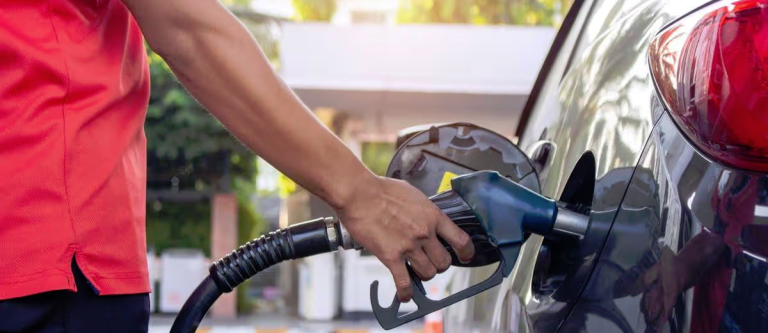
Fuel is among the largest operating expenses of every business with vehicles on the road within the United Kingdom. The correct fuel card can save money on the cost of fuel, streamline administrative duties, and prepare your fleet for electric. Below are five of the top fuel card providers to compare in the United Kingdom this year, ranging from supermarket savings to comprehensive fuel and electric vehicle solutions. What Is A Business Fuel Card? Business fuel cards enable your drivers to purchase fuel, diesel, or electric charge at participating locations by simply using the fuel card. Each time they do, it is logged against your account and subsequently rolled into one convenient invoice at the end of each accounting period. For many businesses in the United Kingdom, the primary advantage of using a business fuel card relates to two specific areas: obtaining a lower average price than the typical pump price, and receiving a single HMRC-friendly statement that makes VAT reclaims far less painful. Several fuel cards provide additional services beyond paying for fuel, such as public electric vehicle (EV) charging for businesses that have both traditional fuel and electric vehicles in their fleet. How Fuel And EV Cards Help UK Businesses While the benefits of saving money on fuel are generally the most prominent advantages of using a fuel card, there are several other benefits as well. Specifically, the reduction in administrative burdens associated with processing receipts can be significant. With traditional methods, employees were responsible for providing receipts to employers after each fill-up. While these receipts provided a clear picture of how much was spent at each location, they could easily become lost, misplaced, or damaged. In addition to tracking spending behaviour and preventing potential abuse of company funds, using a fuel card provides financial departments with itemised invoicing that clearly shows which employees purchased which type of fuel, at which locations and on what date. This increased level of detail enables managers to track spending habits and make more timely decisions during the closing process. As an increasing number of businesses within the United Kingdom transition to include electric vehicles within their fleets, newer fuel cards also cover public charging payments. The result is one predictable bill covering petrol, diesel and electricity, which is exactly what a business part-way through the switch to EVs needs. What To Look For In A Fuel Card Provider In The UK Firstly, coverage is important. Although a fuel card may offer competitive pricing or an attractive set of features, its usefulness will ultimately depend upon whether your employees will ever use it at one of the thousands of locations offered by your selected provider. Next, you should evaluate the level of transparency regarding pricing. Some fuel card providers will charge additional fees based upon certain conditions. Finally, think about where your fleet is heading: if electric vehicles are on the horizon, a card that already handles EV charging will spare you a switch later. Strong reporting tools, flexible spend controls and responsive UK-based support round out a provider worth backing over the long term. 1. Right Fuel Card: Best For Fuel And EV Charging In One Bill Right Fuel Card is currently used by over 25,000 UK-based businesses. The main advantage of Right Fuel Card is they combine fuel and electric vehicle charging into one easy-to-read invoice. Their cards also have a coverage area of approximately 98% of all UK fuel station locations. Savings on their cards are calculated against the national average pump prices, and their pricing structure is transparent and does not include any of the hidden transaction or network fees some of the other competing fuel cards do. For fleets going electric, it pairs a large public charging network with smart home charging reimbursement, so drivers who top up at home are paid back automatically rather than filing manual claims. That blend of coverage, honest pricing and EV readiness puts it top of this list. 2. Allstar: Best For Nationwide Multi-Brand Coverage Allstar has been serving UK fleets for nearly forty years and is now part of Corpay, which is a worldwide payments service provider. Its network spans roughly 90% of UK fuel stations, including but not limited to the largest oil-branded service stations and supermarkets, along with an exclusive “Discount Diesel” network providing additional savings for those filling up at the pump. The Allstar One Electric card includes public electric vehicle charging at over ten thousand locations across the nation, making it suitable for fleets using multiple types of vehicles. With that breadth and a long track record behind it, Allstar suits established operations that criss-cross the country and want as few gaps in coverage as possible. 3. fuelGenie: Best For Supermarket Pump Prices fuelGenie keeps things refreshingly simple. It has partnered with over 1350 forecourts operated by Tesco, Morrisons and Sainsbury’s throughout the UK, where pump prices are typically lower than the national average. In addition, there are no charges made for issuing cards, maintaining accounts, or processing transactions. Drivers can still collect Clubcard, More and Nectar points on their own loyalty accounts while they fill up. This is a petrol and diesel card rather than an electric vehicle card; however, if you operate locally-based car and van fleets that currently use supermarket forecourts to fill up, few options are cheaper or easier to run. 4. Fuelmate: Best For HGV And Heavy Commercial Fleets Fuelmate is part of the Rix Group, working alongside fuel supplier Rix Petroleum. Fuelmate operates a range of branded cards across the main networks including UK Fuels, Keyfuels, Esso and Shell. The multi-branded network provided by Fuelmate is designed to provide the minimum disruption to heavy goods vehicle (HGV) and coach movements along trunk roads. Each driver receives their own account manager rather than having to contact a call centre. Electric vehicle charge cards are also available for companies transitioning into this area. For hauliers and heavier commercial operators who value coverage on trunk routes and a personal point of contact,