Residential : House Builders & Developers News
Manchester Green Quarter Set for 251-Home Residential Tower

Manchester Green Quarter Set for 251-Home Residential Tower

Manchester’s rapidly expanding Green Quarter is set to welcome another landmark residential development after Linear Living secured planning approval for a 24-storey apartment scheme that will deliver 251 new homes in one of the city’s most sought-after urban neighbourhoods. Located on Lord Street, the development will provide a mix of

Read More »
Middlewood Locks Secures Fresh Funding for 909-Home Expansion

Middlewood Locks Secures Fresh Funding for 909-Home Expansion

The next phase of the landmark £1 billion Middlewood Locks regeneration has moved a significant step closer following a new funding agreement from the National Housing Bank, paving the way for a major residential expansion in Salford. The government-backed investment will support site preparation, enabling works and detailed design for

Read More »
Approval secured for 408-home development in Stevenage

Approval secured for 408-home development in Stevenage

Barratt Homes and David Wilson Homes have secured planning approval for 408 new homes in Stevenage, marking a significant milestone in the delivery of a vibrant new neighbourhood on the town’s eastern edge. The approved Reserved Matters application forms a key part of the wider East of Stevenage masterplan, which

Read More »
Fresh momentum for Euston as masterplan consultation begins

Fresh momentum for Euston as masterplan consultation begins

A public consultation is beginning on the masterplan for Euston, signalling fresh momentum for one of the most significant regeneration opportunities in central London. Running until 8 August, the consultation marks a major step forward in plans to transform the area, driving long-term, sustainable growth for the UK, London and

Read More »
Taylor Wimpey brings forward Lancaster plans at Beaumont Rise

Taylor Wimpey brings forward Lancaster plans at Beaumont Rise

Taylor Wimpey North West is bringing forward plans for a new residential development of 58 homes in Lancaster, with the acquisition of land for its Beaumont Rise development taking place on 30th  June. Located off Slyne Road, Beaumont Rise will deliver 58 homes, comprising a mix of two-, three- and

Read More »
From Industrial Heritage to Sustainable Living: Historic Huddersfield Mill Site Transformed into New Homes

From Industrial Heritage to Sustainable Living: Historic Huddersfield Mill Site Transformed into New Homes

A former 19th-century dyeworks near Huddersfield has been successfully transformed into a sustainable residential development following the completion of complex engineering works led by Dudleys Consulting Engineers. The Royd Edge Mills development delivers 30 new homes, ranging from two-bedroom apartments to five-bedroom detached properties, while breathing new life into a

Read More »
Latest Issue
Issue 342 : Jul 2026

Residential : House Builders & Developers News

Major milestone for Glasgow Waters as first residential plans lodged for £100million co-living development at Yorkhill Quay

Major milestone for Glasgow Waters as first residential plans lodged for £100million co-living development at Yorkhill Quay

Set to deliver more than 500 new waterside homes, the scheme will establish a new waterfront landmark for Glasgow, with panoramic views of the city centre, vibrant ground floor uses including cafés and leisure, and an elegant colonnade. Plans have been submitted for the first homes at Yorkhill Quay, a key neighbourhood within Peel Waters’ transformational Glasgow Waters district – one of Glasgow’s most significant regeneration projects, marking a major milestone in revitalising the city’s Clyde waterfront. Submitted by waterside regeneration specialists Peel Waters in conjunction with national property developer Urban Pulse, the proposals for 526 units will deliver a distinctive new waterside co-living development at Yorkhill Quay, helping to meet growing demand for high-quality, flexible rental living in Glasgow. The scheme has been carefully designed by Anomaly Architects to respond to its prominent riverside setting, featuring a series of contemporary, stepped towers. The design steps down towards the River Clyde, incorporating generous shared terraces with views across the water and creating a more human-scale frontage along the new waterfront promenade. A vibrant, active ground floor for future retail, leisure and amenity use will animate the quayside, with internal uses opening onto a sheltered colonnade – a covered, column-lined walkway designed to bring the quayside to life – to enhance the public realm and encourage interaction between residents and visitors. Residents will benefit from a central reception and amenity spaces, extensive shared facilities, and high-quality landscaped areas designed to foster community living. The development also includes a two-storey podium that helps balance the scale between the riverside and surrounding buildings, while accommodating practical elements such as cycle storage and plant space, enabling more active uses at ground level. The eastern tower has been designed as a landmark feature within the emerging skyline, with the potential for a distinctive roofscape and elevated amenity spaces offering panoramic views back towards Glasgow city centre. The proposals build on the outline planning consent secured by Peel Waters in July 2024 for Yorkhill Quay, which will deliver around 1,100 homes, alongside leisure uses and new public spaces. They also follow the commencement of £3.75 million infrastructure works currently underway and funded by Peel Waters, which will unlock the site for development and deliver a new 400-metre waterfront promenade connecting the Riverside Museum and The Clydeside Distillery. James Whittaker, Managing Director of Peel Waters, said: “Submitting plans for the first homes at Yorkhill Quay is a hugely significant moment for Glasgow Waters. It brings our vision for this part of the River Clyde a step closer to reality and demonstrates the strong momentum now building across our emerging new district. “Urban Pulse’s proposals for a high-quality co-living scheme will introduce a new, flexible way of living to Glasgow Waters, helping to create a vibrant and diverse community from the outset. Alongside the infrastructure works already underway, this is another important step in transforming Yorkhill Quay into a welcoming, well-connected waterfront neighbourhood.” James Paterson, Director at Urban Pulse, added: “We are excited to submit plans for our co-living development at Yorkhill Quay, which we believe will set a new benchmark for this type of living in Glasgow. “Our vision is to create a high-quality, design-led scheme that not only provides much-needed homes but also fosters a strong sense of community through generous shared spaces, amenity and a close relationship with the surrounding waterfront. This will be the first location in Glasgow where you can live, work and play on the waterside which makes this a truly unique and exciting opportunity.” Yorkhill Quay forms a key part of Peel Waters’ wider Glasgow Waters masterplan, a 13-acre mixed-use regeneration project transforming a former brownfield site into a thriving waterfront district. Once complete, the neighbourhood will deliver new homes, jobs, public spaces and improved connectivity, helping to reconnect communities along the River Clyde and create a vibrant new destination for the city. The project team working on the development includes: Project Manager – Axiom Project Services Quantity Surveyor – Axiom Project Services Architect – Anomaly Civil & Structural Engineer – Renaissance Services Engineer – Hawthorne Boyle Landscape Architect – Oobe Planning Consultant – Iceni Projects Fire Engineer – Atelier Ten Ecologist (BNG/PEA) – Enviro Centre CDM Principal Designer – Kirk and Marsh Building, Design & Construction Magazine | The Choice of Industry Professionals

Read More »
Manchester Green Quarter Set for 251-Home Residential Tower

Manchester Green Quarter Set for 251-Home Residential Tower

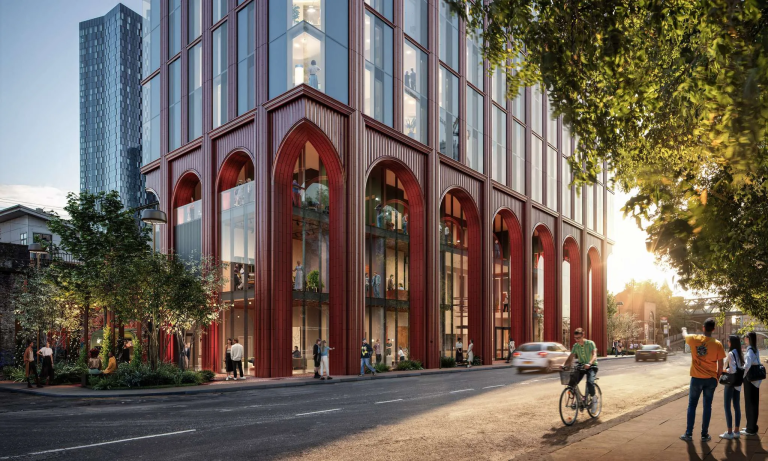
Manchester’s rapidly expanding Green Quarter is set to welcome another landmark residential development after Linear Living secured planning approval for a 24-storey apartment scheme that will deliver 251 new homes in one of the city’s most sought-after urban neighbourhoods. Located on Lord Street, the development will provide a mix of one and two-bedroom apartments, together with four townhouses, helping to meet growing demand for high-quality city-centre living. The scheme comprises 82 one-bedroom apartments, 165 two-bedroom homes and family-sized townhouses, creating a diverse residential offering suited to a range of occupiers. Construction is expected to commence before the end of the year, with completion targeted for early 2029. Linear Design and Construct has been appointed as main contractor and will deliver the scheme alongside a professional team that includes AEW Architects, planning consultants Enabl and project management specialist Rihbell. The project adds further momentum to the ongoing regeneration of Manchester’s Green Quarter, an area that has undergone significant residential-led transformation over the past decade. Benefiting from its location adjacent to Manchester Victoria Station, the development offers excellent connectivity to the city centre, regional rail services and the wider Greater Manchester transport network, making it an attractive location for residents seeking sustainable urban living. For the construction sector, the project represents another substantial high-rise residential development within Manchester’s thriving city-centre market, creating opportunities across structural engineering, façade systems, building services, fit-out, landscaping and specialist subcontracting disciplines. The scheme has been designed to contribute positively to the continuing evolution of the Green Quarter, supporting higher-density living while strengthening the area’s established mix of residential, leisure, hospitality and commercial uses. Developments of this nature continue to play an important role in meeting housing demand while encouraging investment into surrounding infrastructure and public realm. Stephen Holmes, Chief Executive Officer of Linear Living, described the planning approval as a major milestone for the business as it continues to expand across Greater Manchester and strengthen its presence within Manchester city centre. He added that the Green Quarter’s vibrant character, excellent transport links and proximity to a wide range of leisure and hospitality amenities make it an ideal location for a development of this scale. Holmes said the scheme is intended to become a defining addition to the neighbourhood and help shape the future of the Green Quarter for years to come. As Manchester continues to experience sustained investment in residential development, the approval of the Lord Street scheme further reinforces the city’s position as one of the UK’s strongest regional markets for high-density urban living, with developers continuing to bring forward high-quality homes in well-connected and highly desirable locations. Building, Design & Construction Magazine | The Choice of Industry Professionals

Read More »
The Hill Group bucks market trend as profits rise to record £92.5m and revenue hits £1.2bn

The Hill Group bucks market trend as profits rise to record £92.5m and revenue hits £1.2bn

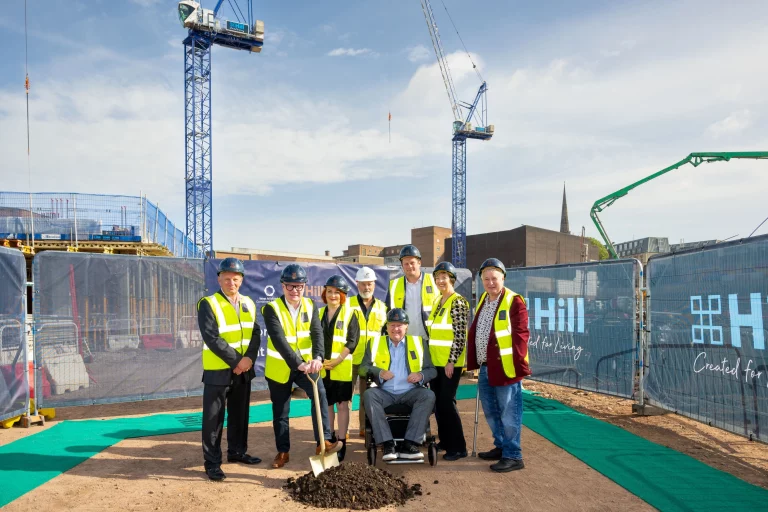
Award-winning housebuilder The Hill Group has published its financial results for the year ending 31 March 2026, reporting increased turnover, profit and new homes completed despite restrained housing market conditions. The Group reported revenue of £1.164 billion and profit before tax of £92.5 million, having completed 3,329 new homes across its operations – all increases on the previous year’s figures. Net assets increased to £493.1 million and net cash rose to £129.1 million, with no drawings against the Group’s Revolving Credit Facility, reflecting the resilience of Hill’s diversified operating model and the successful delivery of the first year of its new five-year growth strategy. Land and work-in-progress increased to £733.9 million as the Group continued its policy of retaining the majority of annual profits to invest in future growth opportunities. Hill invested £54.6 million in new land acquisitions and strategic opportunities during the year, with commitments in place for a further £44.1 million of future investment. Hill’s development pipeline includes 10,800 homes with planning consent and a further 1,900 homes controlled on a subject-to-planning basis. In addition, Hill’s long-term strategic pipeline includes 29,900 homes owned or controlled under option and promotion agreements. Combined, the Group’s controlled pipeline has the potential to generate more than £14.5 billion of future revenue. Hill’s contracting pipeline also increased during the year to more than £5.6 billion, up from £4.8 billion the previous year. Andy Hill OBE, Founder and Group Chief Executive of The Hill Group, comments: “These results demonstrate the resilience of our business model and progress towards our long-term objectives. In a restrained market, we have continued to increase turnover, profit and completions while investing in future opportunities. Our contracting business continues to expand, and we remain confident in long-term demand for the high-quality homes that Hill has always been known for.” The Group further enhanced its financial flexibility in December 2025 through the successful refinancing of its Revolving Credit Facility with major lenders. The new £300 million facility extends through to 2030 and retains its Sustainability Linked Loan status, reflecting Hill’s continued commitment to environmental and social value objectives. Hill delivered a successful year in an uncertain sales market, with average selling prices of £520,000 reflecting a change in product mix as two-thirds of completed homes were apartments across London, Cambridge and Oxford. The Group’s Build-to-Rent (BTR) activities also continued to mature, with the completion and handover of many BTR homes at various locations across the South East and London. The business continued to perform well despite delayed starts on a number of high-rise buildings in London caused by protracted Building Safety Regulator approval processes. Activity improved during the year, with major regeneration projects, including City Centre South in Coventry, and Dollis Hill and Wembley in northwest London, progressing to construction stage. Hill also secured a major strategic land opportunity at Colworth in Bedfordshire, with the potential to deliver 4,500 new homes. The Group continued to invest in its people and communities, reaching approximately 1,000 employees and launching its new Social Value Strategy 2025-2030. Hill also retained its five-star status in the Home Builders Federation’s National New Homes Customer Survey for the ninth consecutive year. Andy Hill adds: “While market conditions remain challenging and economic uncertainty continues to impact buyer confidence, we remain optimistic about the future. Recent commitments to affordable housing investment provide greater certainty for the sector, and with a substantial strategic pipeline, a growing order book and an exceptional team in place, we are well positioned to deliver the ambitions set out in our 2025-2030 business plan.” Building, Design & Construction Magazine | The Choice of Industry Professionals

Read More »
Middlewood Locks Secures Fresh Funding for 909-Home Expansion

Middlewood Locks Secures Fresh Funding for 909-Home Expansion

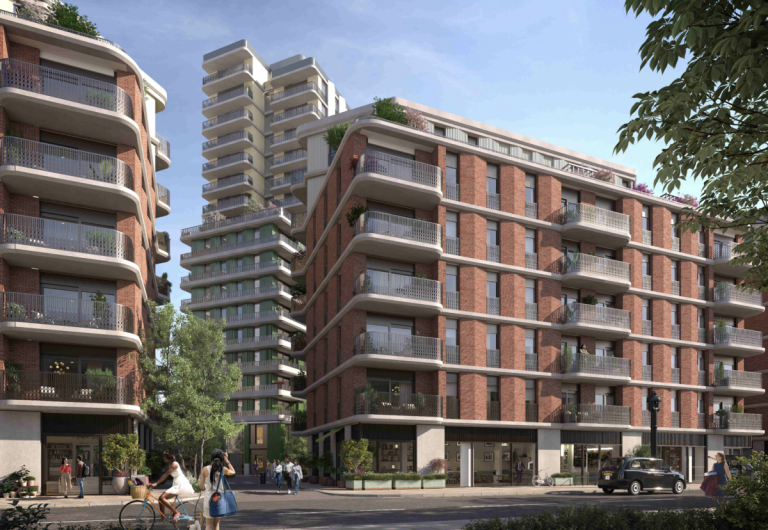
The next phase of the landmark £1 billion Middlewood Locks regeneration has moved a significant step closer following a new funding agreement from the National Housing Bank, paving the way for a major residential expansion in Salford. The government-backed investment will support site preparation, enabling works and detailed design for the latest phase of development, which will deliver 909 new homes across a 10-acre site strategically located between Salford Central railway station and Manchester’s Spinningfields business district. Joint venture partners Scarborough Group International and Metro Holdings are aiming to begin construction early next year, with the first homes expected to be completed and occupied by 2030. The latest funding package increases total lending from Homes England and the National Housing Bank to £84 million. Earlier investment has already supported the successful delivery of 1,306 homes at Middlewood Locks, with all previous loans now fully repaid, demonstrating the scheme’s ongoing commercial success and delivery capability. The fourth phase of the regeneration comprises two substantial residential developments designed to further strengthen this growing mixed-use neighbourhood. Brick Fields Yard will deliver 659 apartments across two striking residential towers rising 27 and 32 storeys. The scheme will feature a landscaped podium garden alongside ground-floor commercial space, creating an active streetscape while providing high-quality amenities for residents. Meanwhile, Lockgate Wharf will introduce a further 250 canal-side apartments overlooking a new half-acre public park adjacent to the historic lock connecting the Manchester, Bolton & Bury Canal with the River Irwell. The public realm improvements will enhance connectivity while creating attractive waterfront spaces that contribute to the wider regeneration of the area. For the construction industry, the latest phase represents another significant high-rise residential opportunity within Greater Manchester, generating future work across civil engineering, structural construction, building services, façades, fit-out, landscaping and infrastructure. Paul Kelly, Managing Director at Scarborough Group International, described the funding agreement as a major milestone in unlocking the full potential of Middlewood Locks, helping deliver sustainable communities alongside much-needed new housing. A main contractor has yet to be formally appointed for the latest phase. However, Beijing Construction Engineering Group International (BCEGI), which successfully delivered the previous three residential phases comprising 1,306 homes, is widely expected to be a strong contender following its established track record on the development. As demand for high-quality city-centre living continues to grow across Greater Manchester, the continued expansion of Middlewood Locks reinforces the importance of long-term regeneration partnerships and public-sector-backed investment in bringing forward complex, large-scale residential developments. The latest phase will further strengthen one of the region’s most successful mixed-use regeneration schemes, combining new homes, commercial space, public realm and sustainable urban placemaking within a thriving waterfront community. Building, Design & Construction Magazine | The Choice of Industry Professionals
Read More »
Approval secured for 408-home development in Stevenage

Approval secured for 408-home development in Stevenage

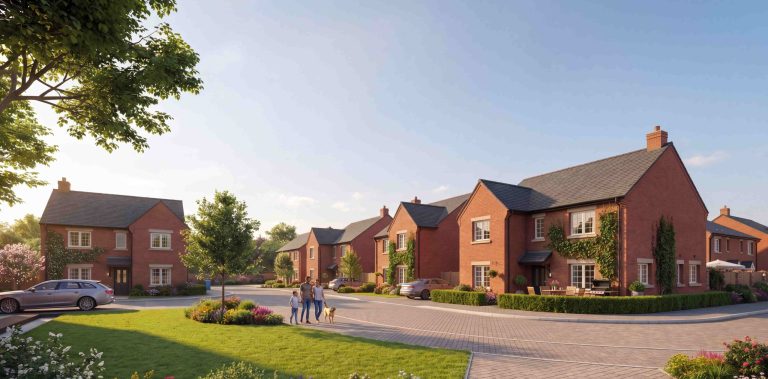
Barratt Homes and David Wilson Homes have secured planning approval for 408 new homes in Stevenage, marking a significant milestone in the delivery of a vibrant new neighbourhood on the town’s eastern edge. The approved Reserved Matters application forms a key part of the wider East of Stevenage masterplan, which will ultimately deliver up to 618 thoughtfully designed new homes alongside a primary school, neighbourhood centre, community facilities, extensive public open space and green infrastructure. The southern phase will provide 408 homes set within tree-lined streets, open spaces and pedestrian-friendly neighbourhoods. Designed around three distinctive character areas, the development will reflect the character of Stevenage. At the heart of the development, a neighbourhood hub will bring together local shops, children’s play areas and a mix of contemporary apartments and spacious family homes. Residents will also benefit from enhanced public transport connections, a care home and assisted living accommodation, ensuring a well-connected community where every day needs are met. The Village Quarter will feature traditionally inspired homes set within thoughtfully landscaped streets, creating a distinctive sense of place. Drawing inspiration from the Garden City movement, the masterplan has been designed to create a walkable community where green corridors, an extensive network of walking and cycling routes, and interconnected open spaces encourage active travel and support healthier lifestyles. Sustainability has been embedded throughout the design, with existing woodland, mature hedgerows and public rights of way retained where possible. These natural assets will be complemented by additional tree planting, biodiversity enhancements and sustainable drainage systems, creating a greener, more resilient neighbourhood that supports both wildlife and future residents. Lauren Potter, Development Director at Barratt David Wilson North Thames, said: “This approval marks an exciting step forward in delivering our vision for Stevenage. We’ve carefully designed this development to be much more than a collection of new homes; it will be a thriving neighbourhood where people can put down roots and enjoy access to green spaces, local amenities and excellent transport connections. “Every aspect of the masterplan has been shaped around creating a strong sense of place, from the landscape-led design and Garden City principles to the wide range of homes and community facilities.” Barratt Homes and David Wilson Homes are currently building across Hertfordshire, Bedfordshire and Buckinghamshire. To find out more, visit www.barratthomes.co.uk.or www.dwh.co.uk Building, Design & Construction Magazine | The Choice of Industry Professionals
Read More »
Vistry and Homes England complete deal to deliver 229 new homes and 12 commercial spaces on the edge of Weston-super-Mare

Vistry and Homes England complete deal to deliver 229 new homes and 12 commercial spaces on the edge of Weston-super-Mare

Vistry, the UK’s leading provider of mixed-tenure homes, has secured planning consent for 229 new homes and the first phase of the high street (12 commercial spaces) at Locking Parklands, a strategic development led by Homes England. The Vistry phases form part of the wider Locking Parklands masterplan, which will ultimately provide around 2000 homes (subject to planning permission) on the former RAF Locking site, alongside commercial spaces and community facilities. Vistry’s development will include a mix of homes and deliver 50% affordable housing, supporting local needs and creating a sustainable, inclusive community. Susan Scholfield, Regional Managing Director of Vistry Bristol, said: “We’re delighted to be contributing more than 200 new homes to the wider Locking Parklands regeneration site. With 50% of our homes to be offered in affordable tenures, we’ll be able to make a significant contribution to the area’s affordable housing supply whilst also providing local people with a range of housing choices.” Sam Gammon, National Disposals Lead of Homes England, said: “We’re pleased to be partnering with Vistry on these important phases at Locking Parklands. Delivery of these phases will see the areas between the completed primary school, secondary school and GP surgery filled with homes, jobs and amenities that will form a vibrant village centre at the heart of Locking Parklands and the wider Parklands Village.” Building, Design & Construction Magazine | The Choice of Industry Professionals
Read More »
Fresh momentum for Euston as masterplan consultation begins

Fresh momentum for Euston as masterplan consultation begins

A public consultation is beginning on the masterplan for Euston, signalling fresh momentum for one of the most significant regeneration opportunities in central London. Running until 8 August, the consultation marks a major step forward in plans to transform the area, driving long-term, sustainable growth for the UK, London and the local communities of Camden. Building on renewed progress across the wider Euston programme, the newly established Euston Delivery Company is leading work to deliver a modern, integrated transport gateway, unlocking the site’s full potential for growth, while Lendlease is bringing forward regeneration plans for the area. As part of this, Lendlease will engage with local people through a programme of drop-in events, workshops and activities across Euston, giving communities the opportunity to help shape the plans ahead of a planning application next year. Construction of the first buildings is expected to begin in 2028. Located in the heart of London’s Knowledge Quarter, Euston is one of the last major development opportunities in central London. Once complete it is expected to create 30,000 jobs, reinforcing the area’s role as a hub for innovation, science and education. The project is part of a joint venture between Lendlease and The Crown Estate – the Impact Partnership Joint Venture – which completed earlier this week. The emerging proposals will support a vibrant community with streets lined with workplaces, shops, cafes and restaurants. The opportunity to contribute to this world-leading innovation district will be harnessed through existing local talent and expertise, attracting diverse businesses and providing quality jobs, including through affordable workspace that will support start-ups, small businesses and emerging talent. Wider pavements and green space will create sustainable spaces to live in, work in and enjoy. The masterplan also incorporates up to 1,500 new homes, including affordable homes to help meet local need in Camden. Key proposals include reopening Granby Terrace as a traffic-free bridge and creating safer cycle routes; making it easier and safer to move through the area. Jenny Sawyer, Project Lead, Euston, Lendlease, said: “Euston is one of central London’s most significant growth and regeneration opportunities, and we are now building real momentum behind plans to unlock its potential. Working with our partners, we want to shape a place that delivers lasting benefits – new homes, jobs, public spaces and stronger connections – for existing communities and future generations. Local people know Euston best, and their voices will play a key role in shaping what comes next. We encourage everyone to get involved and help us refine the plans.” The public are invited to give their views on the masterplan by visiting one of the below drop-in events. If unable to attend in-person, the public are invited to provide feedback online by visiting the consultation website from Saturday 11 July: https://www.eustonlondon.co.uk/consultation/ Building, Design & Construction Magazine | The Choice of Industry Professionals

Read More »
Multidisciplinary skills drive preparation for 635-home Fort Halstead, Kent, redevelopment

Multidisciplinary skills drive preparation for 635-home Fort Halstead, Kent, redevelopment

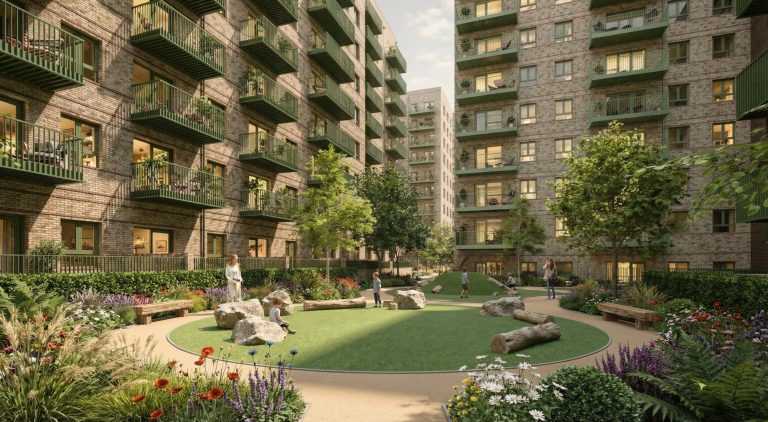
A multidisciplinary RSK team representing 14 RSK businesses and 16 separate disciplines is supporting the redevelopment of Fort Halstead in Sevenoaks, Kent. Complex brownfield redevelopment The project is a complex brownfield redevelopment project that will create a new 635-home community, including a mix of private residential properties, public open space, commercial employment units and a primary school. Ancient semi-natural woodland (some 1600 individual trees) and the existing Fort Halstead (a scheduled ancient monument), as well as other historically important buildings, will be retained, with the fort converted to create a historic interpretation centre, capturing the site’s history. CS2 Chartered Surveyors, an RSK company, is project-managing the work to prepare the site for the client, Barratt David Wilson Homes Kent (BDW), with RSK companies contributing to this over a two-year period. CS2 Director and Fort Halstead Project Management Lead Paul Crowe said: “RSK began supporting BDW in November 2023 through pre‑acquisition due diligence, with activity intensifying following acquisition in September 2024. The project is now in the demolition and enabling phase, being delivered by the appointed contractor Soilfix, delivered alongside heritage, ecology and civil engineering design to ensure progress is carefully managed in an exceptionally sensitive and operational environment. Under the RSK approved Material Management Plan the development will be reusing some 48,000m3 of soil during the enabling works phase with the intention to reuse up to a further c80,000m3 during the construction phase. Wide stakeholder landscape with single point of control Paul said: “Fort Halstead brings together an unusually wide and active stakeholder landscape, including defence‑related partners, residents and office occupiers remaining on site, statutory bodies and the local community. Our role is to provide a single, trusted point of control that allows all parties to operate safely and confidently while enabling the project to move forward. “By integrating demolition, remediation and design, we are managing risk at every stage, protecting nationally important heritage assets, safeguarding ecology and maintaining day‑to‑day site operations. That coordinated approach gives clients, regulators and stakeholders assurance that change is being delivered responsibly, transparently and with minimal disruption.” Remediation, controlled demolition along with safe and appropriate material reuse Paul said the works include remediation of buildings to be retained, controlled demolition of redundant structures, remediation of contaminated ground, safe and appropriate material reuse and recycling, and preparing serviced parcels ready for construction. “This is about more than enabling development, it is about creating certainty on a complex site, maintaining trust with stakeholders and laying the foundations for sustainable delivery. For clients managing estates with historic uses, ongoing occupation or security sensitivities, the strength of RSK lies in our ability to bring multiple disciplines together under one management structure, allowing complex schemes to progress safely while respecting the people, history and environment already in place. When the site is handed over to BDW at the end of our project work it will be ready for the team to start work on the construction of the new housing development.” Range of multidisciplinary RSK companies delivering the project work RSK companies supporting BDW and delivering project work include:- RSK Geosciences Operations Director Darren Beesley said the size, history and complex nature of the site, including the previous military research use, made for a challenging and fascinating project that draws on a range of disciplines and services provided by RSK Group businesses. Military use dates back to 1890s as part of London Defence Scheme He said the team’s research revealed that military uses began on the site in the 1890s, when it was part of the London Defence Scheme, with the fort constructed between 1895 and 1897. Darren said: “When the London Defence Scheme ended in 1906, Fort Halstead was retained as an ammunitions store, with a laboratory and new buildings added, until it passed into private hands in the 1920s. It was bought by the War Office in 1937 and built up during the war years. Until recently, it was home to the Ministry of Defence’s, Defence Science and Technology Laboratory, which carried out research into explosives and weapon systems. The site also had its own fire station and a petrol filling station. Site covers 70 hectares with 18 hectares earmarked for development “Challenges associated with a project of this nature include the sheer size of the site, which covers an area of some 70 hectares with about 18 hectares earmarked for development, the number of buildings to be demolished and historically important buildings that will be retained. The complex nature of the project recognises the site’s historical uses, the need for demolition and sustainable and carbon-efficient remediation, to deliver a safe development platform, minimising waste soils and maximising materials reuse, along with an emphasis on protection of heritage assets, protecting the ancient woodland and enhancing ecology and biodiversity on site.” Non-intrusive and intrusive ground investigation Darren added that pre-demolition ground investigation was completed in December 2024, which included the combined use of non-intrusive geophysical investigation and intrusive investigation at over 300 locations across the site, giving a 25 m borehole spacing in accessible areas where development is proposed. “The approach taken included the use of geographic information systems (GIS) to visualise and interpret the vast amount of data we collected. This has provided a detailed understanding of the site to support foundation and remediation design, reducing the need for over-excavation of materials during the development phase, minimising wastes generated, providing a more sustainable development. Further investigations are ongoing alongside demolition and enabling work being undertaken by the contractor Soil Fix. Results from the additional inspections will be used to inform final remediation design.” The ground investigation project was shortlisted for two 2025 Ground Engineering magazine awards: Ground Investigation Project of the Year and UK Project with a Geotechnical Value of between £500,000 and £1 million. Building, Design & Construction Magazine | The Choice of Industry Professionals
Read More »
Taylor Wimpey brings forward Lancaster plans at Beaumont Rise

Taylor Wimpey brings forward Lancaster plans at Beaumont Rise

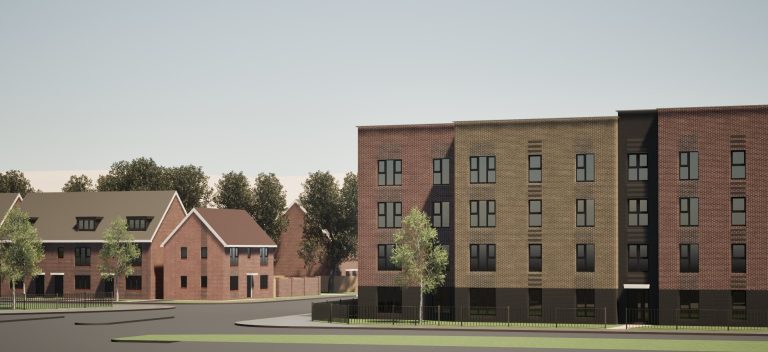
Taylor Wimpey North West is bringing forward plans for a new residential development of 58 homes in Lancaster, with the acquisition of land for its Beaumont Rise development taking place on 30th  June. Located off Slyne Road, Beaumont Rise will deliver 58 homes, comprising a mix of two-, three- and four-bedroom homes designed to support a range of buyers, including first-time buyers, families and downsizers. The development has received full planning permission and work on the development is expected to take place later this week.  Beaumont Rise will also include public open space, landscaped green areas, pedestrian links throughout the development and a range of energy-efficient features. Existing landscape features across the site are expected to be retained and enhanced as part of the plans. As one of the UK’s largest homebuilders, Taylor Wimpey has more than 100 years of experience delivering homes and communities across the country and has built more than one million homes since its foundations were established. Taylor Wimpey is also recognised as a five-star homebuilder by the Home Builders Federation, based on customer satisfaction scores from homeowners. Gavin Powell, Sales Director at Taylor Wimpey North West, said: “We’re pleased to be taking the next step towards bringing Beaumont Rise to Lancaster. “As Taylor Wimpey enters the area, we want to engage with local residents and stakeholders and ensure people feel informed as plans progress. “Our ambition is to create a new neighbourhood that meets local demands for new homes and provides a well-connected place to call home.” Residents interested in following the progress of the development can find more information and register for updates via the Beaumont Rise webpage.  Building, Design & Construction Magazine | The Choice of Industry Professionals
Read More »
From Industrial Heritage to Sustainable Living: Historic Huddersfield Mill Site Transformed into New Homes

From Industrial Heritage to Sustainable Living: Historic Huddersfield Mill Site Transformed into New Homes

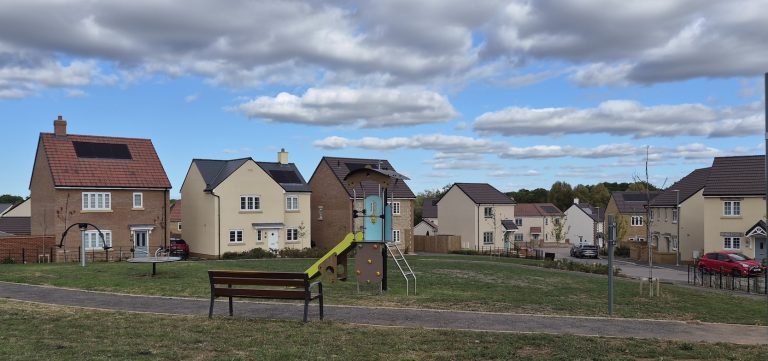
A former 19th-century dyeworks near Huddersfield has been successfully transformed into a sustainable residential development following the completion of complex engineering works led by Dudleys Consulting Engineers. The Royd Edge Mills development delivers 30 new homes, ranging from two-bedroom apartments to five-bedroom detached properties, while breathing new life into a historic brownfield site with industrial origins stretching back to the late 1830s. Originally established as a textile mill drawing water from Royd Edge Moor via Thick Hollins Dyke, the site later became a thriving dyeworks before eventually falling into disuse. Following decades of decline and the demolition of the former industrial buildings, the redevelopment presented a series of significant engineering and construction challenges. Extensive below-ground investigations uncovered remnants of historic foundations, former basements, wheelhouses, engine rooms and underground chimney structures, alongside areas of quarrying, steep bedrock and an intricate network of historic watercourses. These conditions required careful planning and innovative engineering solutions before construction could begin. Dudleys Consulting Engineers was appointed to provide civil and structural engineering expertise across the project, delivering designs for the development’s foundations, drainage infrastructure and structural solutions for both the houses and apartment buildings. Working closely with the wider project team, the consultancy developed a revised site-level strategy incorporating a combination of shallow trench, deep trench and piled foundation systems to suit the varying ground conditions. The approach enabled efficient connections to existing adopted drainage while delivering an effective surface water management solution. One of the project’s most significant engineering achievements involved reconfiguring the former mill pond. Rather than constructing a substantial retaining wall to manage flood risk, the team redesigned the landscape by cutting back the pond, reducing the risk of leakage and creating a more practical, attractive and sustainable solution. This approach not only improved the visual character of the development but also increased usable garden space, enhanced natural landscaping and reduced off-site material waste. New woodland walkways have also been incorporated, helping integrate the development into its surrounding environment while encouraging biodiversity and providing attractive outdoor spaces for future residents. Andy Walker, Managing Director of Dudleys Consulting Engineers, said the project demonstrated how innovative engineering could unlock difficult brownfield sites while delivering environmental, commercial and community benefits. Adam Howarth of Royd Edge Mill Developments added that the engineering solutions had enabled the complex site to be developed efficiently while respecting its industrial heritage and creating lasting value for the local area. The Royd Edge Mills project demonstrates how collaborative design, sustainable engineering and intelligent site remediation can successfully regenerate former industrial land, transforming challenging brownfield sites into high-quality residential communities while preserving the character and legacy of their historic setting. Building, Design & Construction Magazine | The Choice of Industry Professionals
Read More »