Surviving the Roller Coaster of Concrete Freeze-Thaw Cycles with MCI® Water Repellents
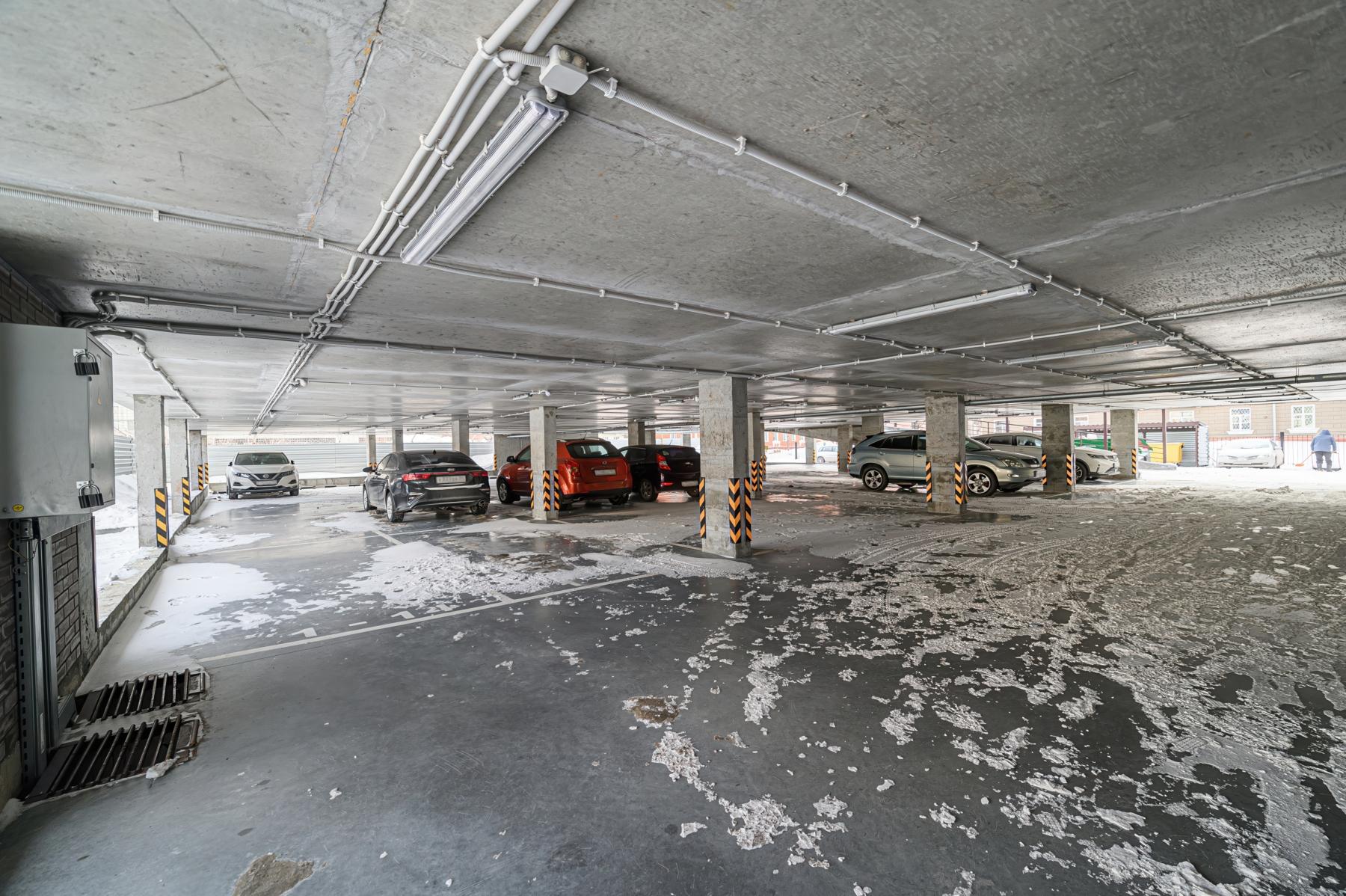
Winter is coming to the Northern Hemisphere. That means reinforced concrete bridges, parking garages, and buildings could be in for a wild ride on the “roller coaster” of freeze-thaw cycling. To minimize damage from these inevitable temperature swings, Cortec® recommends taking the simple maintenance step of applying a water repellent at least once every ten years. Here’s a closer look at why that is important.
The Danger of Freeze-Thaw Cycling
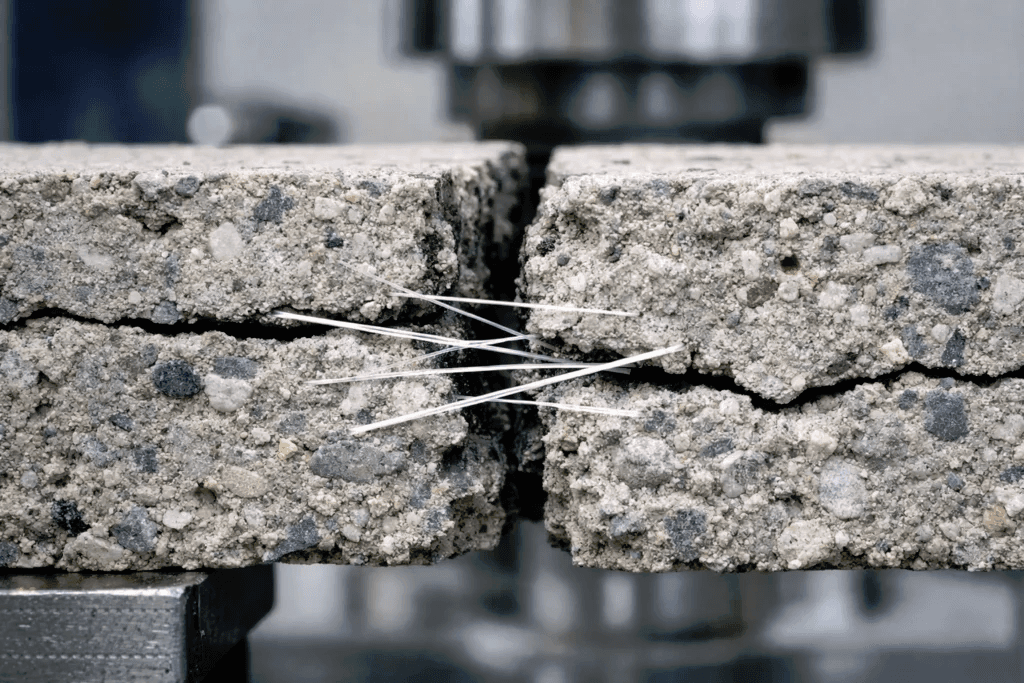
Residents of northern climates know what it is like to experience days or weeks of freezing winter temperatures, followed by a sudden thaw that temporarily melts snow and ice before freezing it again. Unfortunately, concrete absorbs moisture, which expands when it freezes, putting stress on the concrete and eventually causing it to crack. This allows more corrosives to enter, exacerbating the problem until corrosion and deterioration set in.
Benefit of Applying Water Repellents
One simple step toward minimizing the effect of the freeze-thaw cycle is to limit the amount of moisture (and chlorides) entering the porous structure by applying a silane water repellent that still leaves the concrete breathable and does not change its appearance. A good practice to follow is application once every 10 years, starting as early as possible in the life of the structure.
Choose Your Level of Protection
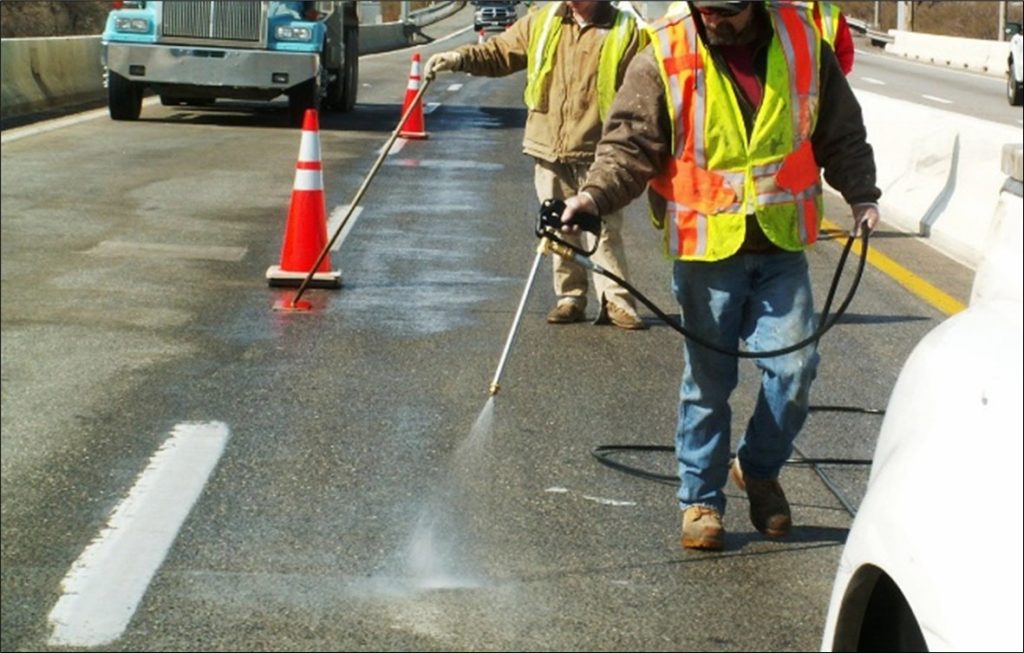
Engineers and contractors can choose from a range of silanes that offer varying degrees of protection, but the fact is that any water repellent is better than nothing. The use of a 40% silane water repellent tends to be more budget-friendly, while the use of a 100% silane water repellent keeps out more moisture. Combining either of these with an MCI® surface applied corrosion inhibitor (SACI) is even better, providing two-in-one protection against the ingress of corrosives and actively fighting against corrosion at the rebar level if any corrosives do find their way into the concrete. The following options represent lower to higher protection:
- MCI®-2019 X: 40% silane water repellent, no SACI
- MCI®-2019: 40% silane water repellent + SACI
- MCI®-2018 X: 100% silane water repellent, no SACI
- MCI®-2018: 100% silane water repellent + SACI
Protect Your Concrete Before Winter
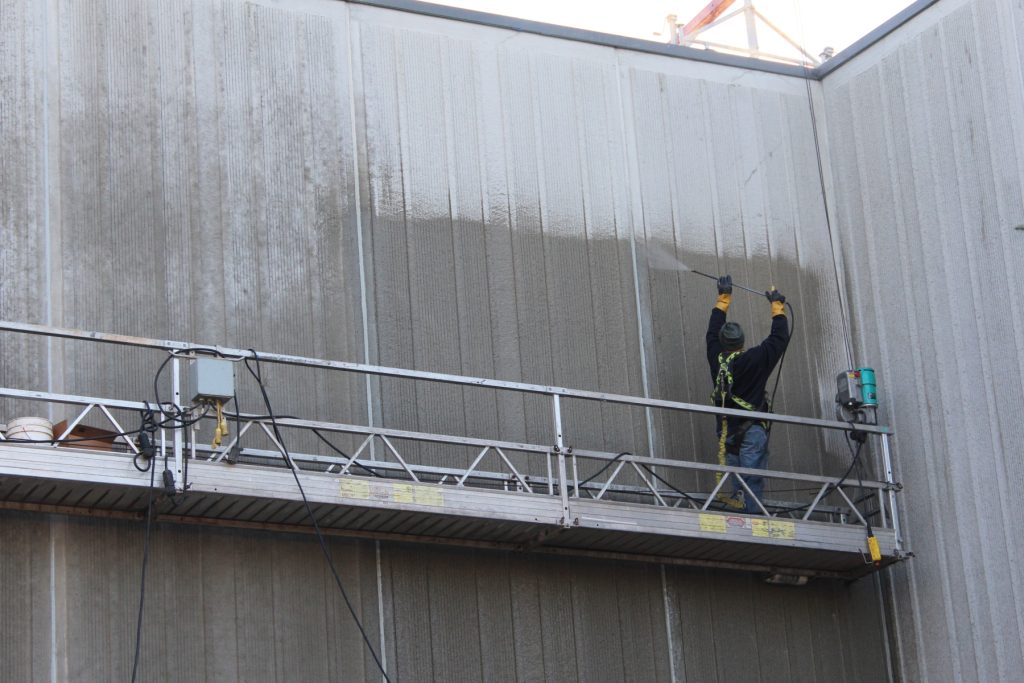
The next time you shiver at the thought of winter snow and cold, be sure to consider giving an extra layer of protection to your reinforced concrete to help it withstand harsh winters better. Whether your concrete is new or old, adding an MCI® water repellent is a great way to fortify your concrete structure against the effects of freeze-thaw cycling to promote a longer service life.
Winter is coming. Prepare your structure now. Contact Cortec® MCI® for additional technical support on selecting the best water repellent for your situation.