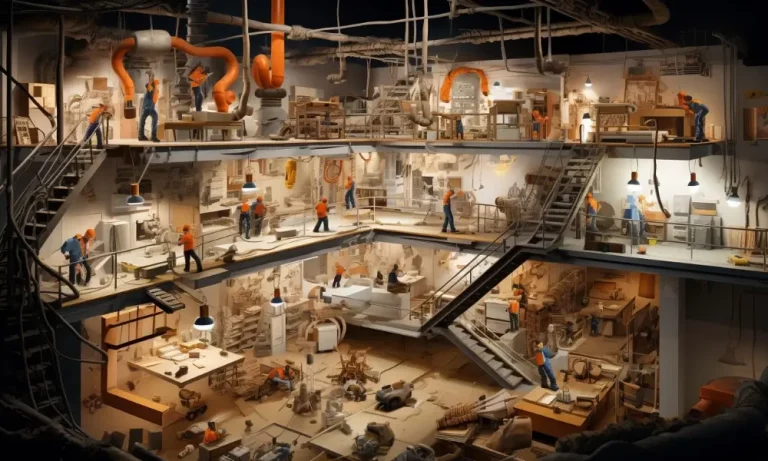
Introduction On paper, British construction sites are some of the safest they have ever been. Risk assessments are written, method statements are filed, and hard hats line the canteen wall. But what really happens once work starts, the programme slips, and everyone is under pressure to finish a job on time To find out, we asked builders, site workers and supervisors to anonymously confess the worst health and safety shortcuts they have seen or been involved in on site. The answers paint a very different picture to the tidy policies in the office. From working at height without proper equipment, to makeshift platforms and ignored near misses, this article lifts the lid on the risky habits that have quietly become “normal” on too many British building sites. How The Survey Worked To get honest answers, we surveyed construction workers and managers across the UK and kept every response completely anonymous. Respondents included: We asked them about: The result is not a scientific academic study. It is a candid snapshot of real attitudes and behaviours on modern building sites, told by the people who work there every day. The Everyday Shortcuts Workers Admit To Taking Health and safety failures are often imagined as one catastrophic decision. In reality, most danger builds up through small, everyday shortcuts that slowly become routine. Across the responses, a set of “repeat offenders” came up again and again. 1. Working At Height Without Proper Protection One of the most common confessions was working at height without the right protection in place, especially on short or “quick” jobs. Examples included: Several respondents admitted that they have stepped onto something they knew was not safe, just to “get the last bit done”. Why it is dangerous: Falls from height remain one of the biggest killers in construction. Even a fall from a relatively low level can cause life changing injuries. Anything that is not a properly designed, properly set up access solution increases that risk. 2. “Just Popping Up There” Without Full PPE Many workers admitted that they sometimes skip PPE for what they see as small or low risk tasks, especially if they are in a hurry. Common examples: In isolation, each decision feels minor. Over time, this attitude dramatically increases the chances of eye injuries, cuts, head injuries and falls. 3. Moving Plant And Platforms With People On Board Workers also confessed to riding on or operating plant in ways that bend or break the rules, particularly when space is tight and the programme is under pressure. Typical examples: Most respondents were fully aware this is unsafe, but admitted they see it happen when the right equipment is not available or time is running out. 4. Ignoring Or Not Reporting Near Misses One of the most worrying confessions was around near misses. Many respondents said they had: This creates a dangerous culture where warning signs are missed and lessons are never learned, right up until something more serious happens. 5. Improvised Solutions When The Right Kit Is Not On Site Another recurring theme was improvisation. When workers do not have the correct equipment to do the job safely, they improvise rather than stop. Examples included: These bodged solutions are rarely risk assessed, rarely stable, and often only one slip away from a serious incident. Why Do Builders Take These Risks If most workers know these practices are unsafe, why do they do them anyway? The confessions point to a mix of very human pressures and cultural problems that are hard to solve with a poster on the canteen wall. Time Pressure And Tight Programmes Many respondents said that programme pressure was the number one reason they cut corners. Common sentiments included: When the choice feels like breaking a rule or missing a deadline, some teams still choose speed over safety. “We Have Always Done It Like This” A significant number of workers talked about habits that have been passed down over years, even decades. If a shortcut has “always been fine”, it starts to feel acceptable. This is particularly strong in small teams or subcontractor gangs where experienced workers are seen as the authority figure on how to get things done. Lack Of Training Or Understanding Some respondents admitted they did not fully understand the limits of the equipment they were using, or the specific regulations that applied. Examples: Without regular, practical training, it is easy for workers to unknowingly take risks. Fear Of Speaking Up Several confessions mentioned that workers did not feel able to challenge unsafe instructions. Typical concerns: If people feel they cannot say “Stop, this is not safe”, risk-taking behaviour goes unchallenged and quickly becomes normal. Working At Height: The Most Serious Mistakes Among all the confessions, working at height stood out as the area where shortcuts are most likely to end in disaster. Respondents described: Several respondents admitted they had done things at height that, looking back, “made their stomach turn”. The danger here is clear. A fall from even a modest height can result in serious fractures, spinal injuries or worse. When work is at height, every shortcut multiplies the risk. Safe working at height means: The Hidden Cost Of “Getting Away With It” One of the most striking themes from the confessions was how often people talk about “getting away with it”. Workers described near misses that could easily have turned into fatalities. Tools dropped from height that missed someone by inches. Makeshift platforms that held together this time, but might not the next. Every time a shortcut does not result in an accident, it reinforces the idea that the behaviour is acceptable. Over months and years, that is how dangerous habits become the norm. The cost of this culture is measured in: Most of these consequences are avoidable. The confessions in this article show just how thin the line can be between “we got away with it” and “everything changed in a second”. How To Change Safety Culture On Site Changing a safety culture is not easy,