March 9, 2026
Winvic delivers Crown Place Birmingham, the city’s tallest student accommodation scheme, and hits 15,000 bed milestone in multi-room sector

Winvic delivers Crown Place Birmingham, the city’s tallest student accommodation scheme, and hits 15,000 bed milestone in multi-room sector

Winvic Construction Ltd, a leading main contractor specialising in the design and delivery of private and public sector construction and civil engineering projects, has completed Crown Place in Birmingham – a landmark 33-storey purpose-built student accommodation (PBSA) development. Practical completion was achieved on programme in December 2025 for client Crown

Read More »
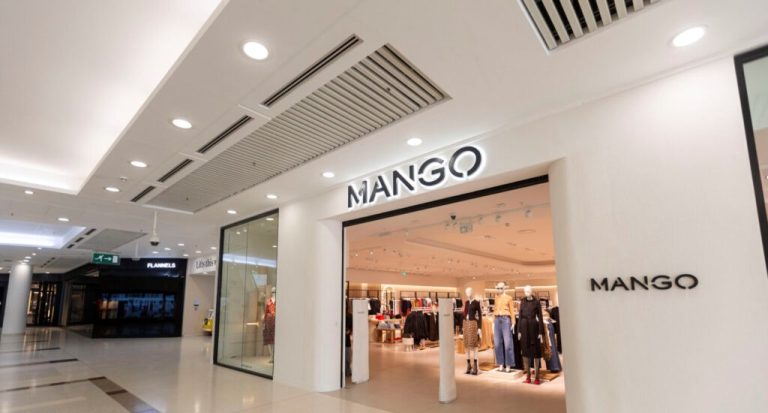
Mango is planning to open 15 new stores in the UK in 2026

Mango is planning to open 15 new stores in the UK in 2026

The retailer’s sales also increased during the period, up 13% year-on-year to £3.3bn. This comes after Mango opened 25 stores in the UK last year, including a second flagship on London’s Oxford Street, and in locations such as  Birmingham, Glasgow, Dundee, Aberdeen, Belfast, Craigavon (NI), and Cardiff. Speaking to Drapers, Mango’s vice chair and chief

Read More »
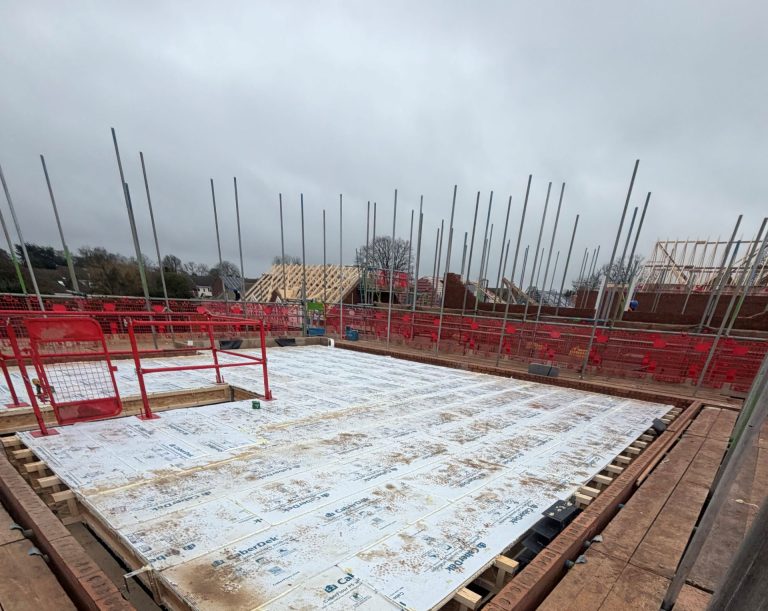
Midlands construction firm chooses CaberDek and SterlingOSB Zero for reliable, fast, and high-quality flooring installations

Midlands construction firm chooses CaberDek and SterlingOSB Zero for reliable, fast, and high-quality flooring installations

Leicestershire-based construction business, WP Developments Leicestershire Limited, now in its tenth year of trading, continues to specify West Fraser‘s CaberDek and SterlingOSB Zero as its preferred flooring solutions across new build residential projects. The firm recently completed the flooring works for 20 new-build homes on a David Wilson Homes development in Wigston,

Read More »
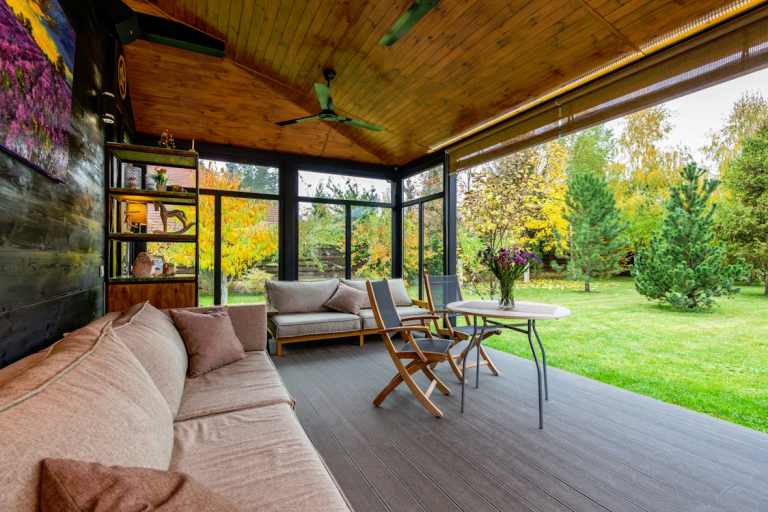
Architectural trends bridging the gap between interior and exterior spaces

Architectural trends bridging the gap between interior and exterior spaces

The traditional boundaries between the home and the garden are increasingly blurred in modern architecture. As homeowners seek to maximise their living areas without the logistical nightmare of a full-scale brick-and-mortar extension, architects and developers are turning toward versatile, high-end structural solutions. The goal is no longer just to provide

Read More »
Rising Demand For Used Machinery Across UK Construction Projects

Rising Demand For Used Machinery Across UK Construction Projects

Construction Projects Need Reliable Equipment Construction activity across the UK continues to place strong demand on reliable heavy equipment. Contractors working on housing developments, infrastructure projects and recycling facilities all rely on machinery that can perform consistently and be deployed quickly when needed. However, sourcing new equipment is not always

Read More »
Latest Issue
Issue 338 : Mar 2026

March 9, 2026

Topping Out of Premier Inn Jervis Street and Premier Inn O’Connell Street, Dublin

Topping Out of Premier Inn Jervis Street and Premier Inn O’Connell Street, Dublin

Gilbert-Ash and Whitbread celebrate a double topping out in Dublin City Centre Leading construction company Gilbert-Ash celebrated a significant milestone with the topping out of Premier Inn Jervis Street and Premier Inn O’Connell Street, in the centre of Dublin. The topping out ceremonies for both hotels were attended by Gilbert-Ash, its valued client Whitbread PLC, which owns Premier Inn, and key project stakeholders. The new hotels at Jervis Street and O’Connell Street will create 444 of Premier Inn’s latest format guest bedrooms in the heart of Dublin, where the brand is expanding rapidly. The developments also signal a major step forward in Gilbert-Ash’s growth ambitions within its home market of Ireland. Premier Inn Jervis Street is a 215-bedroom hotel reshaping a prominent corner at the intersection of Jervis Street and Abbey Street Upper. The project includes the demolition of the existing building and construction of a seven- storey building plus a basement and roof, with an onsite restaurant and bar on the ground floor overlooking Wolfe Tone Park. Premier Inn O’Connell Street is a 229-bedroom hotel located within the Clerys Quarter redevelopment. The works include construction of an eight-storey building plus a basement and roof, with restaurant and reception to ground floor. Both hotels are due for completion at the end of 2026 and are scheduled to open and welcome guests in early 2027. Gilbert-Ash Managing Director, Ray Hutchinson, said the company was proud to continue its partnership with Whitbread on two landmark hotel projects that will add significant strength to Dublin’s growing hospitality sector. He said: “Reaching the topping out stage is always a rewarding milestone. It’s the moment when we start to see the building emerge from its plans. “Both the Premier Inn Jervis Street and Premier Inn Clerys projects continue to make excellent progress, and collaborating with Whitbread and our wider project partners has been hugely satisfying. “I have no doubt that, when they open, both Premier Inn hotels will become highly sought-after destinations for visitors to Dublin.” Emma O’Shiel, Project and Programme Manager for Whitbread in Ireland, said: “Topping out two prime Dublin City Centre hotel developments on the same day demonstrates the scale of Premier Inn’s ambitions in Ireland. It shows how successful we are at bringing our affordable, consistent product to the best locations – and how fast we are working to grow a top-class network for our customers. “But we don’t work alone, and we need the support of an experienced contractor and development team to build complex hotel developments to our high standards. So, my thanks go out to Gilbert-Ash and the whole consultant team who have worked so hard to create these two-flagship new Premier Inn hotels for us.” Whitbread acquired Twilfit House on Jervis Street in January 2019, successfully securing planning approval from Dublin City Council to redevelop the former museum site into a 215-key hotel. The Clery’s Quarter development site was acquired by the business in August 2022 with planning permission already secured in June 2023. Whitbread currently offers its customers a choice of six hotels in Ireland across Dublin and Cork, offering more than 1,000 bedrooms, with an additional 1,200 rooms secured in its development pipeline. It is targeting a 5,000-bedroom network across Ireland. Gilbert-Ash has a unique approach to construction, fit-out and refurbishment based on the belief that great buildings come about through hard work, inspired innovation and genuine collaboration. Sustainability is a key focus for Gilbert-Ash with a number of initiatives underway to help the company to drive down its carbon footprint. Both the Jervis Street and O’Connell Street Premier Inn hotels have been designed to achieve BREEAM ‘Excellent’. To find out more about Gilbert-Ash visit www.gilbertash.com. For more on Whitbread PLC visit www.whitbread.co.uk Building, Design & Construction Magazine | The Choice of Industry Professionals

Read More »
Planning submitted for five new units at Worcester Six Business Park

Planning submitted for five new units at Worcester Six Business Park

Proposals have been submitted for the speculative development of smaller industrial units at Worcester Six, the flagship business park. Overseen by the planning committee of Wychavon District Council, the plans relate to a 3.46 acre plot at Worcester Six and will be known as North Point. This phase will deliver up to five units ranging from 5,532 sq ft up to 34,401 sq ft, with options to combine. Available either for sale or to let, the units are designed to meet growing demand from manufacturing, light industrial businesses and SMEs. Located adjacent to Junction 6 of the M5, Worcester Six Business Park is already home to a number of major national and international occupiers, including MiTek, Bidfood, Alliance Flooring Distribution, Material Solutions, Kimal, Spire Healthcare, IONOS, Kohler Mira, Zwick Roell, Super Smart Service, Stop Start Transport and Sierra CP Engineering.  The North Point development represents an alternative to the larger-format buildings for which Worcester Six is best known, broadening the park’s occupier mix and providing flexible accommodation for a different segment of the market. Edward Peel, Director at Stoford, said: “We are pleased to announce the submission of the latest planning application at Worcester Six, which will further diversify the offer at the site and support continued business growth in the region. The park has been an incredibly successful, game-changing development over the last ten years, with strong and sustained demand for commercial space. These proposals represent an exciting opportunity for further development, creating new, sustainable units to meet ongoing market demand.” Charles D’Auncey, Director at Harris Lamb, said: “These units will be a great addition as they offer a totally different type of space to anything else currently available at Worcester Six. North Point occupies a prominent position in a strategic location adjacent to Junction 6 of the M5. The introduction of smaller industrial units opens the business park up to a new market, with a variety of unit sizes to march occupier requirements.” For details about availability at Worcester Six, please contact the schemes retained agents: Charles D’Auncey at Harris Lamb – charles.dauncey@harrislamb.com or Tom Arnold at Colliers – tom.arnold@colliers.com. Or for more information, visit: www.worcester6.co.uk Building, Design & Construction Magazine | The Choice of Industry Professionals

Read More »
Winvic delivers Crown Place Birmingham, the city’s tallest student accommodation scheme, and hits 15,000 bed milestone in multi-room sector

Winvic delivers Crown Place Birmingham, the city’s tallest student accommodation scheme, and hits 15,000 bed milestone in multi-room sector

Winvic Construction Ltd, a leading main contractor specialising in the design and delivery of private and public sector construction and civil engineering projects, has completed Crown Place in Birmingham – a landmark 33-storey purpose-built student accommodation (PBSA) development. Practical completion was achieved on programme in December 2025 for client Crown Student Living, marking the delivery of Birmingham’s tallest student accommodation building and a significant new addition to the city’s skyline. The completion of Crown Place represents a landmark moment for Winvic, taking total delivery beyond 15,000 beds across its multi-room sector. This milestone highlights sustained growth and reinforces Winvic’s position as a leading multi-room contractor, with expertise in delivering large-scale residential developments of all types – from high-rise city towers to mid-rise and suburban schemes – across a variety of locations nationwide. Located on the corner of Lancaster Street in Birmingham city centre in easy reach of Aston University, Birmingham City University and the University of Birmingham, the ?85 million scheme will be operated by global student housing provider Yugo, with students now moving in from January 2026. Crown Place offers 814 student beds, including 572 studios, 114 cluster flats and 128 duplex rooms, arranged across a 33-storey tower and adjoining 9 and 12-storey blocks. The scheme features over 13,000 sq ft of amenity space, including study rooms, communal kitchens, private dining areas, lounges, cinema and karaoke rooms, and a fully equipped gym, alongside a first-floor terrace and a Sky lounge at Level 33 – setting new standards for student living in Birmingham. Designed by ECE Westworks and engineered by Meinhardt, Crown Place was delivered on a highly constrained city-centre site located in a major arterial route into Birmingham. Winvic implemented a detailed logistics strategy, with just-in-time deliveries to minimise disruption and ensure programme certainty throughout the 145 week build programme. Innovation has been central to the project’s success. Crown Place is not only Winvic’s tallest scheme to date, but also the contractor’s first project to utilise a unitised brick fa?ade system, enabling the rapid installation of 2,768 prefabricated fa?ade panels without the need for external access. The project saw the UK-first deployment of Skyline Cockpit, allowing the tower crane to be operated remotely from ground level to enhance both safety and efficiency. Advanced technology and sustainable practices were integrated throughout the scheme, including the use of HP SitePrint, a BIM-linked robotic setting-out system; GAMMA AR, an augmented reality tool that overlays 3D BIM designs onto the as-built environment; and the AmpD Enertainer battery system, which reduced diesel use by 7,645 litres per week, supporting greener operations. Additional innovations included an open-top goods hoist to safely and efficiently distribute materials to the upper floors, and KONE jump lift technology, which enabled early lift installation and operation, providing enhanced material and operative movement management. Winvic also placed a strong focus on social value, supporting local communities through employment, education and charitable initiatives. The project achieved outstanding CCS scores of 49 and was recognised with a Silver National Site Award. Over 3,800 weeks of employment were created for Birmingham residents into new roles on site. Since the project began, 14 students and apprentices have been supported by Winvic’s project team through T Level placements, industry studentships and graduate roles. This includes four students who have successfully transitioned from T Level work placements into apprenticeships with Winvic, demonstrating the strength of the main contractor’s early careers pipeline and long-term commitment to development local talent. Community impact initiatives included a Magical Santa’s Grotto for Birmingham Children’s Hospital, canal clean-up efforts, and charity fundraising events that raised over ?7,500. Long term educational partnerships with Aston University, Walsall College, BMET and South and City College Birmingham alongside local schools such as Erdington Academy, have seen the project being used to inspire the next generation. 22 education engagement events were delivered to over 400 students, including interactive workshops that developed with students as they progressed through education and site visits showcasing the latest industry innovations. Mark Jones, Managing Director of Multi-Room at Winvic Construction, said: “The completion of Crown Place is a fantastic achievement for everyone involved. From pioneering new construction technologies to maintaining the highest standards of quality and safety, this project demonstrates the results of our strong collaborative partnership with Crown Student Living, Yugo and our supply chain partners.”  “Crown Place also marks a landmark moment for Winvic, taking our total delivery beyond 15,000 beds across our multi-room sector – a milestone that reflects the scale of our sector expertise and the trust our clients have in us. Delivering Birmingham’s tallest student accommodation building on such a constrained site demanded innovation, collaboration and absolute commitment from the entire project team. We are proud to hand over a landmark development that will set new benchmarks for student living in the city.” Alan Pulver, Director at Crown Student Living, said: “The completion of Crown Place marks a significant milestone for Crown Student Living. This landmark development sets a new benchmark for student living in Birmingham, combining high-quality design with carefully considered spaces that foster a strong sense of community. Through close collaboration with Winvic and Yugo, we have delivered a development that meets the expectations of modern students and adds real value to the city and its residents”. Robin Moorcroft, Senior Vice President of Commercial at Yugo, said: “We are thrilled by the completion of Crown Place, as the space represents the high-quality student accommodation Yugo is proud to manage. At Yugo, we go beyond housing; we’re committed to creating vibrant, sustainable, and supportive communities where students can truly thrive, and Crown Place brings that vision to life. “We are proud to be working with institutional-grade partners like Crown to deliver operational excellence at scale with high-quality accommodation, benefiting students and clients across both existing and emerging markets. “With stunning views of the Birmingham skyline, dedicated study areas, and generous communal spaces designed to foster connection and belonging, we’re excited to be welcoming the first wave of students to Crown Place.” Crown Place is now open,


Read More »
Mango is planning to open 15 new stores in the UK in 2026

Mango is planning to open 15 new stores in the UK in 2026

The retailer’s sales also increased during the period, up 13% year-on-year to £3.3bn. This comes after Mango opened 25 stores in the UK last year, including a second flagship on London’s Oxford Street, and in locations such as  Birmingham, Glasgow, Dundee, Aberdeen, Belfast, Craigavon (NI), and Cardiff. Speaking to Drapers, Mango’s vice chair and chief expansion and franchise officer Daniel López said: “It is an interesting market for us and we can see a lot of growth. We opened 25 new stores [in 2025] and for the 2026, the forecast is to open 15 more.” He added that the retailer’s bricks and mortar estate was important to bringing it “closer to customers”. “We believe bringing Mango close to customers is what really helps us to be more creative and interact with customers, to guide them and give recommendations,” he added. Building, Design & Construction Magazine | The Choice of Industry Professionals

Read More »

Able Humber Ports Ltd (AHP) welcomes £490k Site Accelerator Grant to accelerate development of Able Humber Port

Able Humber Ports Ltd is pleased to announce the award of a £490,000 Industrial Strategy Zone (ISZ) Site Accelerator Grant from the Ministry of Housing, Communities and Local Government. This targeted funding will fast‑track the technical, commercial and procurement activity required to unlock the next phase of the Able Humber Port (AHP) development-one of the UK’s most strategically important clean‑energy infrastructure projects. Located on the Humber Estuary, AHP offers 332 hectares of port land, including 177.7 hectares within the Humber Freeport Tax Site, and a further 39.73 hectares enabled through new quay construction. The grant will help bring the site to investment‑ready status within six months, underpinning what is set to become the UK’s largest fully integrated offshore wind cluster port. The development is expected to enable more than £535 million of private‑sector investment and support approximately 4,000 high‑quality jobs across the region. Executive Chairman Peter Stephenson commented:“This grant marks an important step forward in unlocking the full potential of Able Humber Port. The Humber has a once‑in‑a‑generation opportunity to become the heart of the UK’s offshore wind industry. We welcome the continued support from government, the Humber Freeport, and our regional partners as we bring this nationally significant development closer to delivery.” AHP will play a central role in supporting the UK’s offshore wind manufacturing and installation capacity, industrial decarbonisation and Freeport‑driven economic growth. With the scale and planning consents already in place, Able Humber Port is uniquely positioned to anchor a world‑class offshore wind ecosystem and contribute significantly to the UK’s 2030 target of 50GW of offshore wind. Building, Design & Construction Magazine | The Choice of Industry Professionals

Read More »
Midlands construction firm chooses CaberDek and SterlingOSB Zero for reliable, fast, and high-quality flooring installations

Midlands construction firm chooses CaberDek and SterlingOSB Zero for reliable, fast, and high-quality flooring installations

Leicestershire-based construction business, WP Developments Leicestershire Limited, now in its tenth year of trading, continues to specify West Fraser‘s CaberDek and SterlingOSB Zero as its preferred flooring solutions across new build residential projects. The firm recently completed the flooring works for 20 new-build homes on a David Wilson Homes development in Wigston, North Leicestershire. CaberDek and SterlingOSB Zero were used to deck out all joists across the plots, forming the structural base for finished floors and providing a robust working surface for follow-on trades. “Consistency and reliability are key for us, especially on larger multi plot projects,” William Woolhouse explained. “CaberDek and SterlingOSB Zero give us confidence that the finished floor will stand up to site conditions and deliver the performance expected by major housebuilders.  The product quality is consistent, performance on site reliable and we have complete confidence in the finished floor which is obviously crucial. For us, it’s important that sheet materials feel solid underfoot and behave predictably from one board to the next. CaberDek and SterlingOSB Zero deliver exactly that.” In general, there is a host of reasons the company specifies the West Fraser collection. Speed of installation allows the teams to progress quickly and efficiently while the finish is dependable and durable even before the final floor coverings are installed. This combination of speed and predictability helps maintain programme momentum on multi plot developments where efficiency is critical. “They’re easy to handle, cut and fix,” William added. “Because they work so well with our standard workflow, there’s no disruption or need to adapt how we operate.” All West Fraser panel products produced in the UK are net carbon negative and manufactured in mills that have obtained the coveted environmental ISO 14001 accreditation.  Responsibly sourced, the panels are FSC certified and created from locally grown timber, cutting the embodied carbon associated with transportation. For further information, call 01786 812 921 or visit Uk.westfraser.com Building, Design & Construction Magazine | The Choice of Industry Professionals

Read More »
Architectural trends bridging the gap between interior and exterior spaces

Architectural trends bridging the gap between interior and exterior spaces

The traditional boundaries between the home and the garden are increasingly blurred in modern architecture. As homeowners seek to maximise their living areas without the logistical nightmare of a full-scale brick-and-mortar extension, architects and developers are turning toward versatile, high-end structural solutions. The goal is no longer just to provide a view of the outdoors, but to create a seamless transition that allows the exterior to function as an integral part of the home’s floor plan. This shift in residential design is driven by a desire for “indoor-outdoor” living, a concept that has evolved far beyond the simple patio door. Modern developments now prioritise thermal efficiency, structural lightness, and aesthetic cohesion. By treating the garden as an additional “room,” developers can significantly increase the perceived value and utility of a property, providing the flexible spaces that the 2026 market demands. Integrating the glass sliding door into contemporary building design At the heart of this architectural evolution is the widespread adoption of the glass sliding door as a primary structural element. Unlike the heavy, framed bifolds of the past, today’s minimalist sliding systems offer expansive, uninterrupted views that effectively remove the visual barrier between the lounge and the terrace. These systems are designed to slide effortlessly, allowing for a large-scale opening that creates a fluid thoroughfare for air and light. From a construction perspective, these glass walls provide a sophisticated solution for managing natural light in narrow urban plots. They allow architects to flood interior spaces with daylight, reducing the reliance on artificial lighting and improving the overall wellbeing of the occupants. When specified correctly, these systems maintain high levels of insulation, ensuring that the home remains energy-efficient during the winter while offering the possibility of a completely open-plan living experience during the summer months. Enhancing property utility with a modern carport While much of the focus on outdoor living remains on the rear of the property, the front elevation is seeing its own functional revolution. The traditional garage is often viewed as a missed opportunity for space, frequently used for storage rather than vehicle protection. Consequently, we are seeing a rise in the specification of the contemporary carport in new build developments. These structures provide a lightweight, aesthetically pleasing alternative to the enclosed garage, offering protection from the elements without the heavy footprint of a traditional building. A well-designed aluminium structure can complement the lines of a modern house, providing a sheltered area that is both practical and visually unobtrusive. This is particularly relevant in the context of the growing EV market, where homeowners require easy, sheltered access to charging points. By integrating these structures into the initial design phase, developers can offer a premium feel that maintains an open, airy street scene. The future of modular outdoor structures The trend toward modularity in construction shows no signs of slowing down. Homeowners are increasingly looking for ways to customise their properties over time, and high-quality modular kits allow for this flexibility. Many industry professionals are now looking toward specialist manufacturers like Tuinmaximaal, who provide robust, professional-grade aluminium components that can be tailored to fit specific architectural requirements. This “plug-and-play” approach to high-end garden structures allows for rapid installation with minimal disruption to the site. Ultimately, the successful bridge between interior and exterior spaces relies on the quality of the materials and the thoughtfulness of the design. By incorporating expansive glass systems and functional sheltered areas, we can create homes that feel larger, brighter, and more connected to the world outside. As we look toward the future of UK residential development, these versatile structures will continue to play a pivotal role in how we define the modern British home.

Read More »
Why Equipment Availability Is Starting To Be A Big Problem in Construction Projects

Why Equipment Availability Is Starting To Be A Big Problem in Construction Projects

Construction projects have always relied on a delicate dance between labour, materials and machinery. While supply chain disruptions and labour shortages have been getting a lot of attention in recent years, another factor is slowly but surely emerging as a major headache: equipment availability. The machinery that gets the job done – excavators, loaders, telehandlers and compactors – is the backbone of most construction activity. Without reliable access to these machines, the whole operation can quickly come to a standstill – particularly when it comes to earthworks and site preparation, and getting materials where they need to be. As construction demand is on the rise globally, and governments are pouring more and more cash into infrastructure projects, contractors are starting to wake up to the idea that equipment availability is a strategic risk that needs better planning and coordination. The Growing Demand for Construction Equipment Looking across many regions, it’s clear that demand for construction equipment has skyrocketed over the past decade. Urban expansion, infrastructure upgrades and energy transition projects have all driven up construction activity. You’ve got large-scale transport infrastructure projects, renewable energy developments and residential construction projects all going on at the same time, which just creates a massive demand for machinery across multiple sectors. And in some markets, equipment fleets just can’t keep pace with growth. While the bigger construction firms may have their own fleets, many contractors rely on equipment hire providers to get the gear they need. But when multiple projects are all vying for the same types of machines, it can quickly become a problem – especially when it comes to specialised equipment. As a result, contractors are starting to realize that equipment sourcing is no longer just a simple operational task, but a critical part of project planning. When Equipment Just Cant Be Sourced When you can’t get the equipment you need in a hurry, project timelines can quickly be affected. And it’s the early stages of construction that are especially sensitive to equipment availability – things like earthworks and site preparation. For example, delays in getting your hands on excavators or loaders can postpone site mobilisation and rip through the project schedule as a whole. Because construction projects are all about tightly sequenced activities, a small delay can start a whole chain reaction of problems. In some cases, contractors might try to find alternative solutions – like substituting one machine for another, or adjusting workflows to keep on track. But these workarounds often end up reducing productivity and piling on extra costs. So improving visibility across the equipment supply chain is getting more and more important for contractors who want to avoid these kinds of problems. Industry tools like an equipment hire directory can really help by giving project teams a clear view of the machinery that’s out there, and by letting them quickly and easily compare and contrast suppliers. The Problem With Fragmented Equipment Supply Networks One of the reasons equipment availability can be such a pain to manage is the fragmented nature of the hire market. In a lot of regions, construction equipment fleets are spread out across loads of independent suppliers. This can be good in the sense that it gives contractors a lot of flexibility and competition, but it also makes it much harder for them to get a clear view of what’s out there. Project managers might need to contact loads of different suppliers just to confirm availability, compare spec sheets and arrange delivery logistics. And during peak demand periods, this can be a real time-suck. Limited visibility across suppliers just makes it more likely that machines are just sitting idle in one place, while other projects are struggling to find the gear they need. Digital tools are starting to chip away at this problem by providing a clearer view of what’s out there. The Rising Cost of Equipment Another thing that’s making equipment availability even trickier is the rising cost of machinery. New construction equipment is a big investment, and manufacturers keep introducing new features and technologies that just drive up the price. As a result, some contractors are getting a bit more cautious about expanding their fleets. Instead, they’re relying on flexible hire models that let them access equipment only when they need it. While this can help with cash flow, it can also make contractors more dependent on hire markets – which can be a problem during peak construction activity. Having access to a broader supplier network can really help mitigate these risks by giving contractors a better view of what’s out there. Equipment hire platforms like Quotor can really help by connecting contractors with suppliers across loads of different regions, and by giving them a better view of the equipment that’s out there. Making Better Use of Equipment Equipment availability problems also highlight the importance of getting the most out of the equipment that contractors do have. Construction machinery is often one of the most expensive assets on a project, but it can spend loads of time just sitting idle between projects or waiting for specific tasks to start. Improving utilisation across the industry can help reduce the need for extra machinery, while making sure that the equipment that is out there is being used a lot more efficiently. When machines can move more easily between projects, and contractors can get a clearer view of what’s out there, the industry as a whole can operate with fewer idle assets and just more overall productivity. Digital platforms that provide a clearer view of the equipment supply chain can really help make this happen. Planning for Equipment Risk As equipment availability becomes a bigger and bigger issue, contractors are starting to incorporate machinery sourcing into their project planning processes a lot earlier. Rather than just treating equipment hire as a last-minute operational decision, project managers are starting to think about availability right from the get-go. This can help teams anticipate potential shortages, get their hands on machinery earlier, and identify alternative suppliers if needed.

Read More »
Rising Demand For Used Machinery Across UK Construction Projects

Rising Demand For Used Machinery Across UK Construction Projects

Construction Projects Need Reliable Equipment Construction activity across the UK continues to place strong demand on reliable heavy equipment. Contractors working on housing developments, infrastructure projects and recycling facilities all rely on machinery that can perform consistently and be deployed quickly when needed. However, sourcing new equipment is not always straightforward. Rising manufacturing costs and extended production lead times mean many businesses are waiting months for new machines to arrive. As a result, contractors are increasingly turning to the used machinery market as a practical solution. Why Contractors Are Looking At The Used Equipment Market Allan Kane, founder of Scotland-based machinery supplier Kane Equipment, says demand for high-quality used crushers, screeners and material processing machinery has grown as contractors look for ways to keep projects moving efficiently. “Many businesses simply cannot afford to wait months for a new machine to arrive,” says Allan Kane. “Well-maintained used equipment can offer the reliability contractors need while allowing them to get machinery on site much faster.” For many operators, used equipment provides a way to maintain productivity without delaying projects while waiting for new machinery to be manufactured and delivered. Supplying Machinery To UK And Global Markets Based in Scotland, Kane Equipment supplies machinery to customers across both the UK and international markets. The company specialises in sourcing and supplying equipment used across construction, recycling and material processing operations. Its offering includes a wide range of machinery such as crushers, screeners, shredders, trommels and material handlers used across multiple sectors. With more than 20 years of industry experience, Allan Kane has built a strong network of suppliers and buyers. This network allows the business to source machines that meet the technical requirements of different industries and projects. Durable Machinery Driving The Secondary Market The durability of modern machinery is another reason why the used equipment market continues to grow. Many machines are designed to operate reliably for long periods, meaning well-maintained equipment can still deliver excellent performance years after its first deployment. For contractors managing large projects or expanding operations, this creates opportunities to access high-quality machinery without the higher cost or wait time associated with new equipment. Recycling And Processing Industries Increasing Demand Demand for used machinery is also being driven by the growth of recycling and material processing operations. Facilities responsible for handling construction waste, aggregates and other materials require specialised equipment such as shredders, screening systems and processing machinery. As recycling targets increase and waste processing operations expand, businesses are investing in equipment that allows them to process materials efficiently while maintaining reliable performance. Matching The Right Machine To The Right Project According to Allan Kane, understanding the requirements of each project is essential when sourcing machinery. “Every project has different demands,” he explains. “The key is identifying the right machine for the job and making sure it delivers the performance the customer needs.” From quarrying operations using crushers to recycling facilities relying on screening equipment, machinery plays a central role in keeping construction and processing operations running efficiently. A Growing Role For The Used Machinery Market As construction and recycling sectors continue to expand across the UK, the role of the used machinery market is expected to grow alongside them. With reliable equipment in high demand and projects requiring flexible solutions, many contractors are recognising the value that trusted machinery suppliers can provide. For companies like Kane Equipment, which supply customers across both the UK and global markets, this reflects a wider shift in how businesses approach machinery investment. Instead of focusing solely on new equipment, many operators are now considering high-quality used machinery as a practical and effective solution for keeping projects moving.

Read More »