

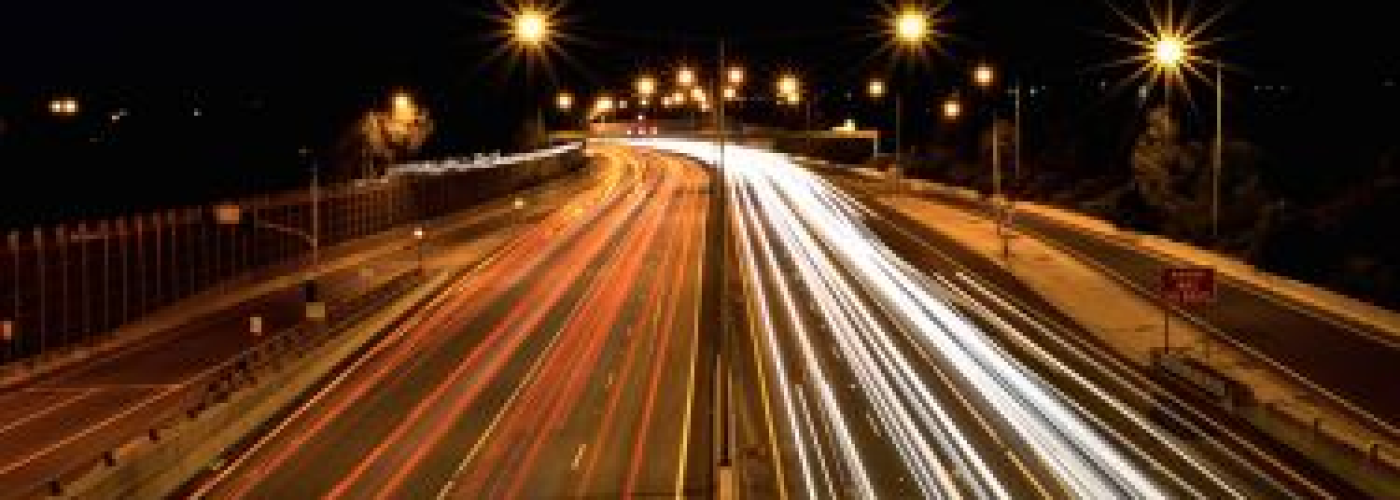


Navigating pitch-black highways after midnight tests the limits of human vision. Standard headlights struggle to pierce vast open spaces, leaving drivers with incredibly brief windows to react to unexpected road hazards. Standard ambient light simply dissolves into the dark night, creating a hazardous environment.
Relying on active electrical power sources along remote stretches of road is rarely practical or cost-effective. Static roadway signs and commercial vehicle markings must perform their safety duties reliably without drawing any power from batteries or complicated wiring networks. They must catch attention through passive means alone.
Specialized materials solve this night visibility problem by redirecting light beams directly back toward vehicles instead of scattering them into space. Fleet managers can easily boost safety on dark highways by applying advanced reflective decals to their equipment. This smart technology keeps roads safer.
Tiny Lenses Harnessing Headlight Beams
The magic behind this brilliant passive lighting lies in millions of microscopic glass beads embedded in the adhesive surface. These tiny spheres sit quietly inside the material, waiting to interact with oncoming vehicle lights. They function as highly efficient, miniature optical lenses.
When a car headlight beam strikes the sign, the light passes through the curved outer surface of each glass bead. This curvature bends the incoming rays, focusing the energy down to a single point on the metallic mirror backing behind each tiny sphere.
A specialized mirror backing behind the spheres then bounces this focused light back through the bead. The ray exits the glass sphere in a tight path, returning toward the vehicle headlights. This process creates a brilliant glow that catches the driver’s eye.
Directing Light Back to the Source
To appreciate this science, people can look at how regular mirrors behave compared to these advanced coatings. A standard flat mirror reflects light away at an equal but opposite angle. This scattering effect sends the illumination far off into the dark sky.
If a vehicle shines its high beams onto a typical metal sheet, the bright glare bounces upward or sideways. Because the reflection disperses into empty space, the driver behind the wheel receives almost none of the returned illumination. The display stays completely dark.
Retroreflective surfaces behave differently by targeting the incoming source directly. Instead of scattering light, the specialized material sends the beam straight back along the path it arrived. This structured return ensures the driver sees a bright message without wasting energy on the dark empty sky.
Increasing Reaction Time on Fast Highways
Those precious extra moments of awareness can save lives during late night highway travel. When vehicles cruise at normal highway speeds, drivers cover vast distances in fractions of a second. Spotting an upcoming road curve early prevents catastrophic lane departures and crashes.
Active construction zones often feature complex detours that confuse even experienced motorists after dark. Standard wooden markers easily disappear into the shadows, leaving drivers guessing which path to take. Bright safety graphics cut through this confusion by shining intensely under active car headlights.
This instant visibility provides motorists with hundreds of additional feet to slow down safely. By extending the visible range of road hazards, transport agencies ensure that heavy vehicles can brake gradually. This extra cushion of time dramatically lowers traffic collisions in remote rural highway areas.
Resisting Weather and Moisture Penetration
Maintaining these complex optical properties requires utilizing advanced weather shielding techniques. If rain or heavy road moisture slips past the outer protective layer, it can settle inside the glass bead substrate. This water infiltration ruins the essential retroreflective properties completely and instantly.
Water acts as an unwanted prism, bending the returned light away from the original source. To prevent this severe optical failure, manufacturers lock the glass elements inside a tough, airtight polymer film. This robust physical barrier completely seals out humidity and road grime.
The resulting composite material handles years of punishing UV rays and winter freezes without cracking. By shielding the delicate inner glass beads from environmental elements, these safety signs stay incredibly bright. This built-in durability ensures critical highway markings remain fully active for many long years.
Conclusion
Deploying high-performance visibility materials represents a highly effective way to protect highway travelers. When vehicles navigate unlit transit corridors, relying on active lighting alone is never a safe bet. Smart organizations look to advanced passive reflection to bridge the safety gap completely.
Investing in robust material standards ensures that commercial trucks and equipment remain visible during evening operations. This constant visibility prevents catastrophic rear-end accidents in dark highway construction zones. It establishes a protective shield of light around the entire fleet without requiring constant maintenance.
Ultimately, harnessing the power of retroreflection transforms standard highway travel into a far safer experience. When critical graphics stand out clearly, motorists can navigate curves with absolute confidence. This scientific approach to vehicle graphics successfully guides drivers home safely every dark night of the year.