

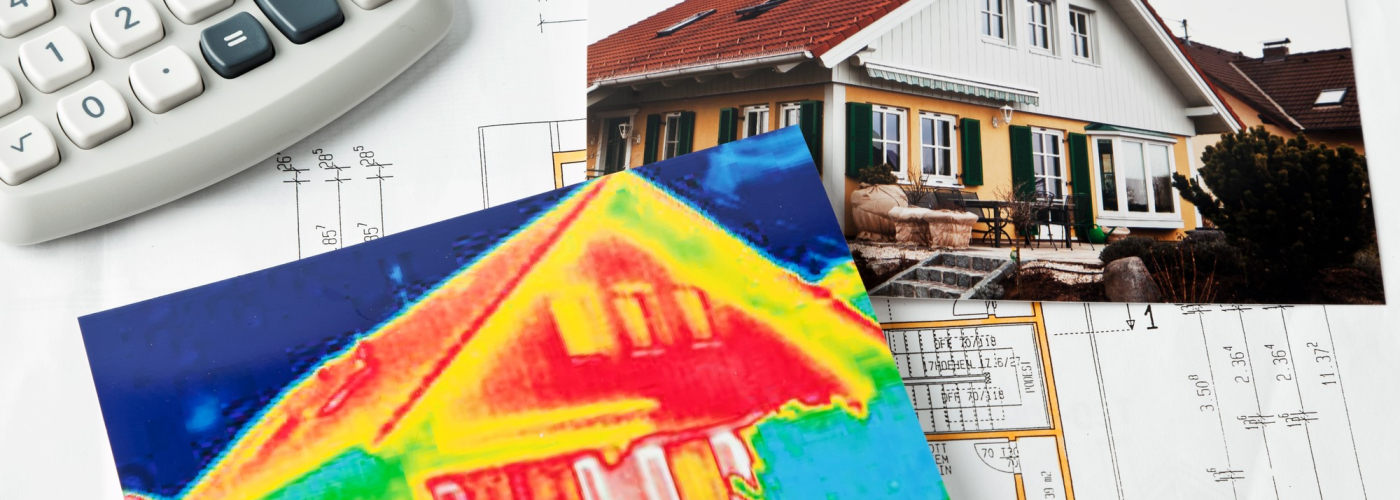


The UK’s plans to reach net zero by 2050, alongside rising energy costs, have increased homeowners’ interest in retrofitting older properties. The benefits of embracing this initiative are well-proven. A typical UK home with a standard rooftop solar PV system can save up to approximately £700 per year on electricity bills. Combined with grid export payments, homeowners frequently see total annual benefits of £500 to over £1,000. If you are thinking of making the switch to a greener way of living, creating a smart, accurate budget is key. The costs of retrofitting a home can vary significantly depending on your home’s location, age, and local regulations, so taking time to conduct thorough research is vital.
Birmingham as a Case Study
Birmingham is the perfect example of an area with a high concentration of Victorian terraced housing, particularly in the inner-city postcodes B8, B9, B10, B11, B19, and B21. Approximately 68% of homes (around 300,000 in total) have an EPC rating of D or below. There are specific reasons why older homes consume more energy and produce higher carbon emissions. One is that homes built before the 1920s have solid walls rather than cavity walls, making them harder and more expensive to insulate. These homes also typically have shallower foundations, limiting renovation or extension of homes and potentially requiring additional structural assessments before major retrofit work commences. Many older homes also lack a damp-proof course, which prevents moisture from rising from the ground into the walls. On the upside, Birmingham has participated in various schemes to improve energy efficiency in homes, including insulation, heat pump installations, and support for low-income housing.
The Importance of Calculating Retrofit Costs
Homeowners can begin their budgeting tasks by researching the costs of specific work in their area, including loft insulation, cavity wall insulation, internal solid wall insulation, external solid wall insulation, draught proofing, double-glazing, an air-source heat pump, a ground-source heat pump, solar PV, smart heating controls, and consumer unit upgrades or rewiring. Each of these upgrades can vary considerably in cost. For instance, depending on the size of a home, rewiring can cost between £1,500 and £4,000. Homeowners can start by requesting an assessment and budget for rewiring from a trusted Birmingham electrician. Obtaining more than one budget is recommended, particularly for measures with big potential price gaps. For instance, ground-source heat pumps can cost anywhere from £18,000 to £25,000, making a few calls and visits to local suppliers a worthwhile time investment.
Steps for Creating a Retrofit Budget
When you are ready to draft your budget, start by conducting an energy assessment. Review your current EPC rating and find pertinent recommendations by visiting the official government EPC register. Identify the biggest sources of heat loss (these could be your walls, roof, windows, floors, and/or draughts) and use EPC data to prioritise measures with the greatest impact. Next, prioritise improvements, starting with high-impact, lower-cost measures (including loft insulation, draught proofing, and smart heating controls), then moving on to larger investments (such as heat pumps, solar PV, double glazing, and solid wall insulation). Add contingency funds to your budget. These should amount to around 10 to 20% of your total budget. Because older homes in Birmingham often have unsafe wiring or hidden issues such as damp and mould, your retrofit may cost more than you initially anticipated.
Taking Advantage of Available Grants, Incentives, and Finance Options
Many government and local authority schemes offset retrofit costs, so find out what is available in your area. Funding can change over time, so make sure the information you rely on is up to date. Just a few schemes that have aided many Birmingham residents include the Boiler Upgrade Scheme (BUS)—which has been extended to March 2028, the Warm Homes Local Grant (for low-income private homeowners and landlords in homes with an EPC rating of D, E, F, or G), and the Home Upgrade Grant (HUG) for eligible low-income households off-gas (with an EPC E, F, or G rating). Green loans, energy-efficient mortgages, home improvement loans, and energy company initiatives have also made many retrofit projects more affordable. Make it a point to check the Birmingham City Council website and speak with local retrofit and energy advisors to discover any initiatives that may be of assistance.
Retrofitting an older home can require a substantial upfront investment, but careful budgeting will help you prioritise the improvements that deliver the greatest long-term value. Local housing characteristics, labour requirements, and available funding can all influence retrofit costs. Make sure to plan ahead, obtain two or three quotes, and explore available grants and finance options.