How to Design an Outdoor Space to Maximize Your Comfort Across Seasons: 7 Insights
Client proposals often turn into price wars over square footage and material grades. However, it’s better to focus on performance and usable seasonality. Designing an outdoor living space for multi-season comfort transforms a standard deck, patio or rooftop into high-performing real estate.
Building professionals can justify premium budgets, deliver higher client satisfaction and secure a competitive edge with microclimate management.
1. Start With a Site and Microclimate Analysis
Conducting a comprehensive site assessment prevents costly design missteps. Make sure to evaluate how environmental elements interact with a property throughout the year. Designers must map sun orientation, solar trajectories across all four seasons, prevailing wind patterns and surface water movement.
A site analysis establishes how microclimates behave on a specific lot. For example, an unshaded southern exposure that feels pleasant in October can become uncomfortable during peak summer afternoons. Water pooling near seating areas during spring rains creates humidity issues in summer and icing hazards in winter.
Clear data allows professionals to site structural elements, windbreaks and shelter zones so they can maximize year-round thermal comfort.
2. Design for Shade and Sun Control
After mapping microclimates, control solar heat gain for summer usability. Natural shade from trees and vegetation offers immediate benefits. Urban forests are measurably cooler, with temperatures averaging 3°F lower than non-green urban areas.
Planting deciduous trees along western and southern exposures blocks direct radiation during high summer. It also allows winter sun to filter through after leaf-drop. However, relying solely on landscaping is rarely sufficient. Predictable overhead protection is much more efficient.
Engineered shade solutions, such as louvered pergolas, commercial tensile structures and retractable awnings, allow clients to actively modulate light and airflow. Louvered pergolas with motorized blades let users track solar angles, closing to shed rainwater or opening to capture passing breezes.
Because well-designed shade structures can reduce ambient temperatures by 10°F, combining natural canopy elements with adjustable built shade can help maintain thermal comfort through extreme heat spells.
3. Plan for Heating to Extend the Usable Season
To maintain client engagement with outdoor spaces during shoulder months, heat delivery must be engineered into the spatial plan. Integrating heating systems during the design phase ensures even warmth distribution, clean aesthetic integration and safe operation.
When specifying heating equipment, consider how heat transfers visually and physically across the space:
- Infrared and radiant electric heaters: Provide instant, zone-controlled warmth without open flames, making them ideal for covered dining areas, outdoor kitchens and windswept sites.
- Gas-fired heaters and tables: Deliver consistent heat output, good for focal gathering points and ambient heat sources for lounge seating.
- Wood-burning fireplaces and pits: Offer visual ambience, crackling acoustics and high radiant heat.
- Integrated hydronic in-slab heating: Radiates heat to the floor beneath, eliminating frost buildup and maintaining comfortable ground-surface temperatures.
4. Layer Lighting for Safety and Year-Round Appeal
Shorter autumn and winter days make artificial illumination crucial for both safety and atmospheric appeal. Lighting design for multi-season spaces goes beyond basic porch fixtures — it demands a layered strategy that accommodates changing foliage density, snow reflection and dark early evenings.
A well-balanced outdoor lighting scheme integrates three distinct layers:
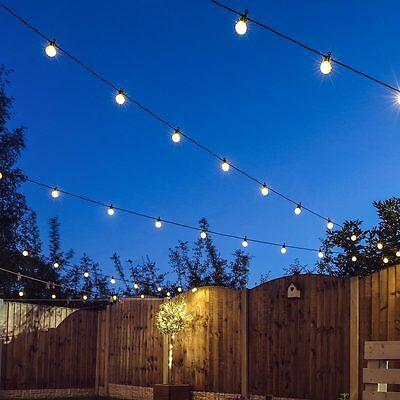
- Ambient lighting: Provides low-glare, general illumination throughout the space. Concealed LED strip lighting under seating ledges, perimeter capstones or pergola beams defines boundaries and maintains visual comfort without harsh spots.
- Task lighting: Delivers focused light to functional areas requiring precision. Dedicated directional task lights over outdoor cooking suites, dining tables and bar counters ensure safe food preparation and entertainment during dark winter evenings.
- Accent and path lighting: Highlights architectural features, specimen plants and hardscape transitions while ensuring safe navigation across steps and walkways. Low-voltage step lights and path markers reduce slip-and-fall hazards on damp or icy surfaces.
5. Select Durable, Climate-Resilient Materials
Outdoor materials experience weather-related damage such as thermal expansion, moisture intrusion, UV degradation and freeze-thaw cycles. Substandard materials such as porous stone or low-grade fasteners may cause premature weathering, surface cracking and costly client warranty calls. Framing material selection around climate resilience protects the client’s capital investment while reducing long-term upkeep.
High-density materials such as porcelain pavers, thermally modified timber, architectural-grade concrete and marine-grade powder-coated aluminum help prevent moisture absorption and thermal movement. For instance, using stainless steel or coated structural fasteners prevents galvanic corrosion in high-humidity microclimates.
6. Calculate the Long-Term Value and ROI
You can make a strong appeal to clients for these materials by linking improved aesthetics to long-term financial returns. Designing for multi-season comfort can increase a property's usable square footage compared to single-season setups. This helps to expand the space’s functional footprint without the high cost of climate-controlled additions.
Additionally, premium outdoor environments directly elevate real estate valuation and tenant retention. Research on green infrastructure shows that well-designed outdoor amenities deliver measurable increases in property value. A study found that recreational rooftop gardens increased property values by approximately 11%. For commercial clients, extending patio usability into late fall and early spring translates into added seat turnover and higher food and beverage revenue.
For residential clients, durable materials and passive microclimate controls lower annual maintenance and repair costs, ensuring the outdoor living space pays dividends year after year.
7. Integrate Smart Automation for Responsive Comfort
Responsive environmental controls can also help make an outdoor area usable during harsh seasons. These controls adapt instantly to rapid weather shifts without manual intervention. Examples include motorized louvers, retractable awnings, radiant heating arrays and automated LED lighting.
These automated controls help prevent weather-related damage while eliminating operational friction for the clients. Integration with scheduling apps or occupancy sensors for heating and lighting systems helps reduce energy waste.
For example, in commercial hospitality settings, smart climate controls help patrons feel comfortable during chilly autumn evenings or sudden spring drafts without staff needing to manually adjust equipment.
Build Outdoor Spaces That Pay Off in Every Season
For contractors, architects and landscape designers, designing outdoor spaces for year-round comfort turns the conversation from decorative landscaping to high-value architectural performance. Begin with a precise microclimate analysis, then follow up with engineering shade and sun control. Build layered heat and light systems with climate-resilient materials.
All these efforts ensure that the outdoor environments you create perform reliably in most weather conditions and deliver value to your clients in every season.