


Garden structures are often treated as temporary additions to residential projects, but material choices made at the specification stage determine whether a building lasts five years or fifty. For architects, builders, and specifiers, understanding how to select materials that deliver both durability and environmental responsibility has become essential, as both client satisfaction and regulatory compliance depend on these choices.
The real cost of poor material specification
A poorly specified garden structure might need replacing twice in the time a well-built one lasts, with all the waste, environmental impact, and rebuilding that implies. This isn’t just an aesthetic or functional issue but an environmental one as well. A structure that fails prematurely generates unnecessary embodied carbon, landfill waste, and client frustration. Conversely, material choices that prioritise longevity and performance reduce the need for replacement cycles and deliver genuine environmental benefit over the building’s lifetime.
The question isn’t whether to think about durability. It’s how to specify it systematically.
Certified sourcing as the foundation
Material sourcing is where specification begins. Forest Stewardship Council (FSC) certification provides independent verification that timber comes from responsibly managed forests, but certification alone doesn’t guarantee performance in outdoor environments. Specifiers need to understand the difference between responsible sourcing and material durability.
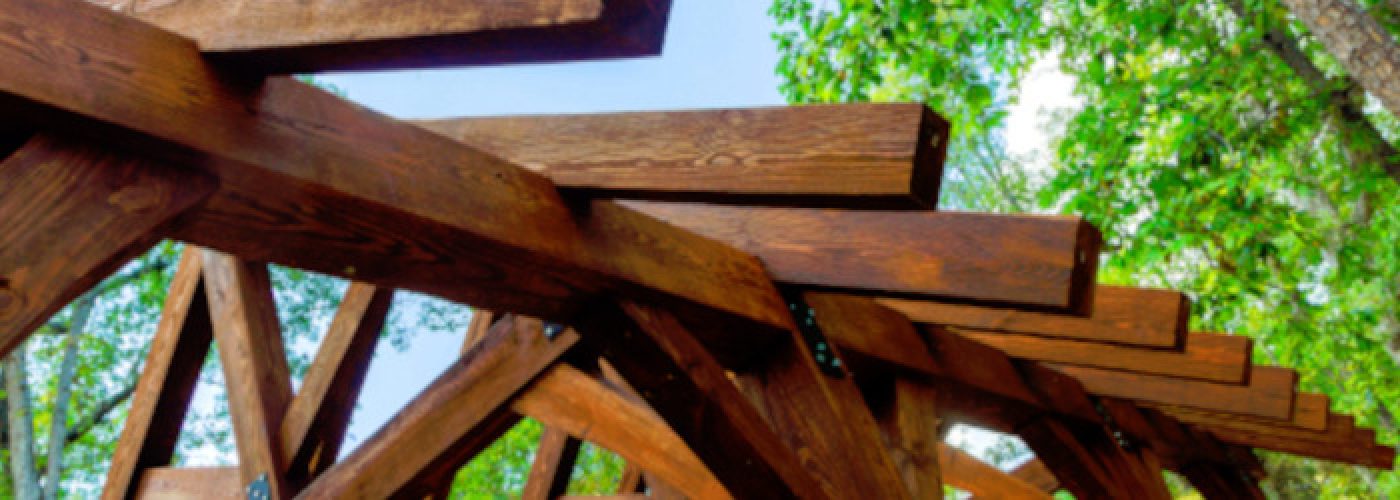
FSC certification covers forest management and supply chain integrity, ensuring that timber is tracked from forest to finished product. However, when specifying materials for garden structures, the focus should be on which timber species will actually withstand exposure to moisture, temperature swings, and UV damage over decades. Some certified timbers are naturally durable while others require treatment to achieve the same lifespan.
The Forest Stewardship Council’s guidance on responsible sourcing explains FSC standards and chain-of-custody verification.
Understanding durability class and service life
The technical foundation for material specification lies in durability class and use class standards. These define how long a given timber species will resist decay and insect damage, and they’re measured in years, typically ranging from a few years to several decades depending on the wood species and environmental exposure.
Use class standards (defined in BS 8417) specify which durability class and preservative treatment is appropriate for different outdoor applications. A timber specified as Use Class 4 (exposed to weather, in ground contact, or regularly wetted) requires different treatment than one sheltered from direct water exposure. High-pressure vacuum treatment can deliver a 15-60 year service life, while naturally durable hardwoods like western red cedar offer inherent resistance to decay without chemical treatment.
The critical mistake is specifying materials without reference to these standards. A builder might select affordable softwood cladding without understanding that it will deteriorate within a few years in an exposed location, requiring costly remediation. Technical guidance from LABC Warranty on specifying timber externally breaks down these standards in practical detail, helping specifiers match material choice to required service life.
Material innovation and long-life design
Manufacturers increasingly recognise that durability is a selling point, not an afterthought. When specifying garden structures, look for evidence that the supplier has considered the full lifecycle of the building. This might mean specifying timber from sustainably managed forests, selecting naturally durable species over cheaper soft woods, using engineered materials designed for specific exposure conditions, or choosing cladding systems that promote ventilation and moisture management beneath the surface.
Some manufacturers now design their structures with ground-screw foundations instead of concrete, avoiding moisture trapping that promotes decay. Others, like Suns Lifestyle, take an approach to sustainable material specification that prioritises recycled content options, FSC-certified timber, and finishes that maintain performance without frequent maintenance. The environmental case for material specification becomes stronger when the material lasts longer. A building that performs well for 30 years displaces multiple replacements that would otherwise be manufactured, shipped, and eventually discarded.
Making the specification decision
When specifying materials for a garden structure, ask the following:
- What is the realistic lifespan we need this building to achieve?
- Which timber species or materials naturally suit that exposure condition?
- Does the specification include certified sustainable sourcing?
- What maintenance will the material require over its expected life?
- Are there engineered alternatives that deliver better performance?
When evaluating suppliers, review their environmental policies for evidence of lifecycle thinking and material durability commitments. Manufacturers that can articulate how their material choices support long-term performance are worth taking seriously.
Material specification for garden structures is not complex, but it does require deliberate attention. The brands and manufacturers taking durability seriously will provide detailed technical data, durability claims backed by standards, and transparency about material sourcing and expected service life. Specifiers who ask these questions upfront avoid costly failures and deliver buildings that perform well for decades. Explore thermally modified wood as a high-performance natural material to understand how material innovation supports this goal.