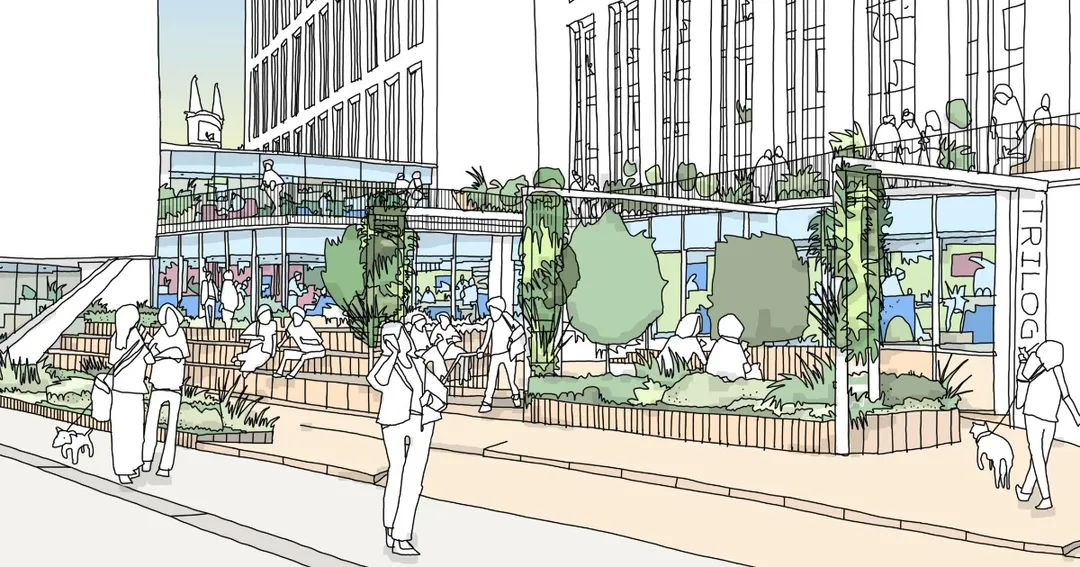
Cardiff University Unveils Major Campus Regeneration Plans as Construction Partnership Targets 6,000 Student Beds
Cardiff University has taken a significant step forward in its ambitious campus regeneration programme after appointing a development partnership involving Willmott Dixon, HOCHTIEF and Cityheart to transform surplus land and buildings across its estate.
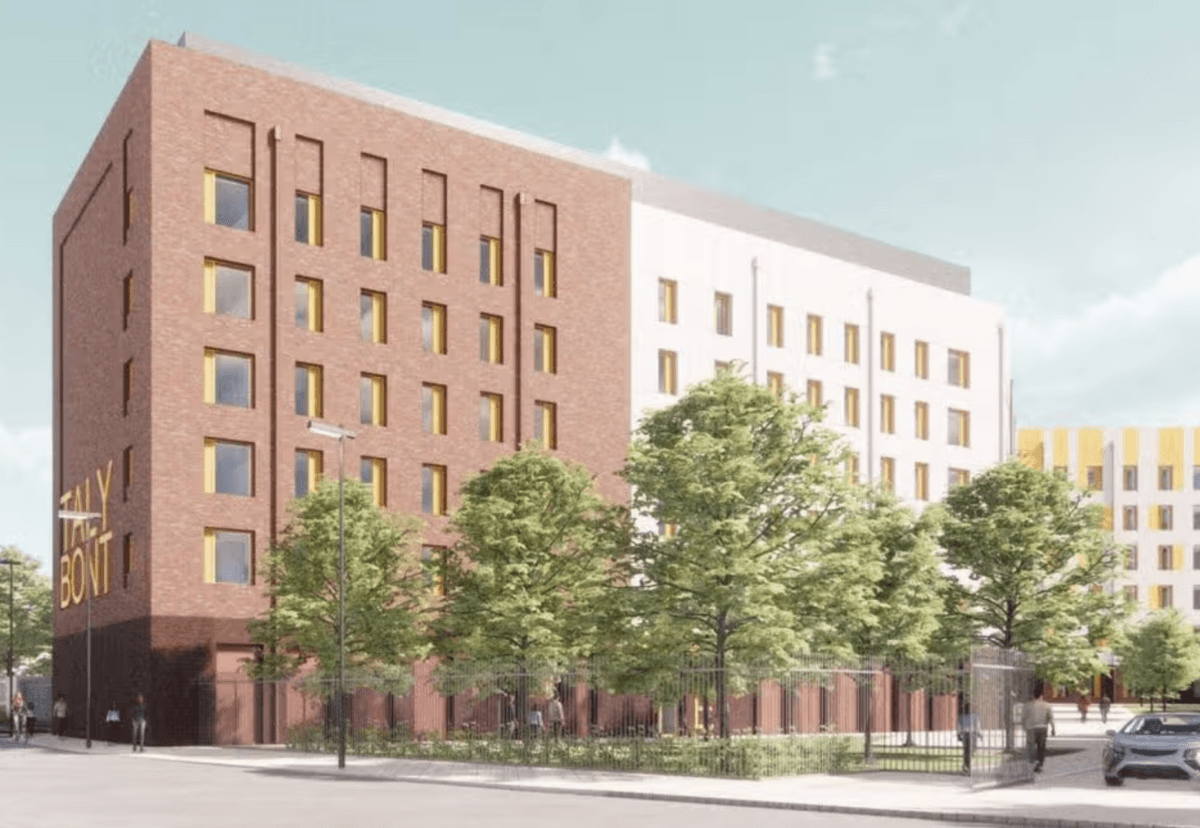
The long-term agreement will support a substantial pipeline of residential, academic and mixed-use developments, beginning with a new 665-bed student accommodation scheme at Talybont.
The partnership will bring together private-sector development, construction and funding expertise to help the university modernise its property portfolio, improve student facilities and unlock the potential of underutilised sites.
The wider programme could involve the redevelopment or refurbishment of approximately 6,000 student beds, alongside major investment opportunities across Cardiff University's 320,000 sq m academic estate.
First Phase to Deliver 665 Student Bedrooms
The first development will see the former Brickyard Business Park in Gabalfa transformed into a purpose-built student accommodation scheme.
Located on Bevan Place, the 1.5-hectare site has remained vacant since its former industrial buildings were demolished in 2018.
Plans for the site involve constructing a six-storey residential building providing 665 student bedrooms, bringing previously developed land back into productive use.
The project represents an important first phase in the university's wider estate transformation strategy, with purpose-built student accommodation expected to play a central role in its future development programme.
The redevelopment will also contribute to the ongoing regeneration of the Talybont area, where student accommodation forms an established part of the surrounding neighbourhood.
Major Opportunities Across University Estate
While the Talybont scheme will provide the initial development opportunity, the partnership is expected to support a much larger programme of work across Cardiff University's property portfolio.
An investment prospectus published earlier in 2026 identified opportunities involving approximately 6,000 student beds requiring redevelopment or refurbishment.
The university's extensive academic estate, covering around 320,000 sq m, also presents potential opportunities for new teaching facilities, research buildings, commercial accommodation and mixed-use regeneration projects.
These developments could help modernise the university's infrastructure while creating more efficient and flexible environments for students, academic staff and researchers.
The programme also reflects the growing importance of strategic estate management within the higher education sector, where universities are increasingly reviewing their land and property assets to improve financial performance and support long-term investment.
Private-Sector Partnership to Unlock Development Potential
The appointment of Willmott Dixon, HOCHTIEF PPP Solutions (UK) Ltd and Cityheart introduces a collaborative approach to delivering the university's future building programme.
By drawing on private-sector development and funding expertise, Cardiff University aims to unlock opportunities across its estate while generating additional income from surplus property assets.
The strategy comes as higher education institutions continue to face financial pressures, increasing the importance of efficient property management, targeted capital investment and alternative development funding arrangements.
The partnership is expected to help turn the university's long-term estate ambitions into a structured programme of deliverable projects.
BDP has already been appointed as masterplan architect for the wider Campus Futures programme, providing an overarching architectural and development framework for the estate's transformation.
Creating a Modern Campus for Future Generations
Chris Wheeler, national head of development at Willmott Dixon Developments, highlighted the importance of adopting a coordinated approach to a regeneration programme of this scale.
“Transforming a campus of this scale requires a long-term approach that turns the University’s vision into a practical and deliverable programme.
“Working with Cardiff University, Cityheart and HOCHTIEF PPP Solutions (UK) Ltd, we will help unlock opportunities across the campus to create places that support students and staff, strengthen connections with the wider community and provide lasting value for Cardiff.”
The programme is expected to create significant opportunities for the construction and built environment sectors, including architectural design, structural engineering, mechanical and electrical services, refurbishment, specialist fit-out and public realm improvements.
Significant Investment in Cardiff's Built Environment
The partnership represents an important milestone in Cardiff University's plans to reshape its estate and maximise the long-term value of its property assets.
The proposed programme combines student residential development with opportunities for academic, commercial and mixed-use projects, potentially delivering substantial investment across several areas of the city.
For Cardiff's construction and property sectors, the scale of the programme could provide a sustained pipeline of development opportunities as individual schemes progress through planning, design and procurement.
With the first 665-bed student accommodation project identified and a much wider estate regeneration strategy taking shape, Cardiff University's Campus Futures programme has the potential to become one of the Welsh capital's most significant long-term educational property redevelopment initiatives.