Why Mental Health Pressures Are Mounting for Construction's Decision-Makers
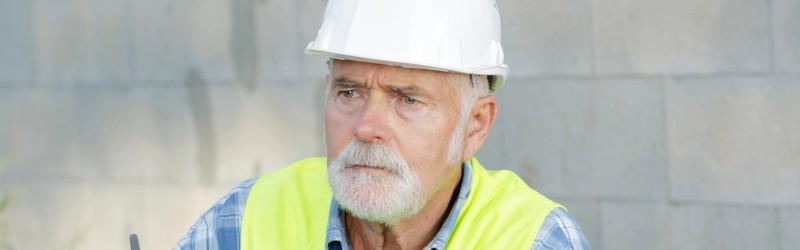
Construction has always been a high-pressure industry, but for site managers, project leads and other decision-makers, the weight of the job has been building for some time. Tighter budgets, compressed deadlines, ongoing staffing gaps and the responsibility of keeping everyone on site safe all land on the same small group of people, often with little acknowledgement that it takes a toll.
The scale of the problem is becoming harder to ignore. The Chartered Institute of Building's Understanding Mental Health in the Built Environment report found that stress affects 24% of construction professionals every day, with anxiety and depression affecting 18% and 7% respectively. More strikingly, just over a quarter said they had thought about suicide at least once in the past year. These figures describe a workforce under sustained strain, and the people leading it are not exempt.
Why the pressure keeps building
Part of the issue is structural. Decision-makers in construction are rarely dealing with one source of pressure at a time. A delayed delivery might threaten a programme while a key tradesperson is off sick, a client is pushing for changes, and a safety issue needs resolving before anyone can move on. Much of the industry conversation on mental health, including a recent article on wellbeing in the trades, has rightly focused on tradespeople and the self-employed, who carry pressures of their own around cash flow, job security and isolation. Decision-makers face a different version of the same problem, and it gets far less attention, because the people managing everyone else's workload rarely have anyone managing theirs.
There is also a cultural dimension. Construction has made long-term progress in reducing deaths on site, but mental health has been slower to receive the same attention. Admitting to stress or anxiety can still feel at odds with the image of a reliable, unflappable site leader, which means problems often go unspoken until they become harder to manage.
Cost pressure adds another layer. The Building Cost Information Service (BCIS) forecasts that its General Building Cost Index will rise by almost 4% between the third quarter of 2026 and the same quarter of 2027, while shortages persist in some specialist trades and the construction workforce remains below pre-pandemic levels. Decision-makers are expected to protect margins and manage client expectations against that backdrop, and when something goes wrong further down the chain, it is often the project lead or site manager who absorbs the fallout first. This all happens with little recognition of the cumulative effect on them personally.
What support can look like
Practical help matters most when time is the constraint, and decision-makers rarely have the luxury of stepping away from a live project for weeks at a time. Structured, time-limited approaches such as cognitive behavioural therapy are one option. London clinic KlearMinds notes that CBT focuses on what is happening in a person's life right now, helping them break cycles of negative thoughts, difficult emotions and limiting behaviours. Effective treatment can involve between 6 and 24 sessions, depending on the severity of the issue. Many providers also offer online sessions, which makes it easier to fit appointments around a live project.
Employers have a part to play too, and some are now building mental health support directly into site culture rather than treating it as an afterthought. Programmes such as Mates in Mind work with construction businesses on manager training, wellbeing assessments and ongoing peer support, giving site leaders practical tools rather than a one-off poster campaign. The organisations making progress tend to be the ones treating mental health with the same seriousness as any other site risk, with clear ownership and a plan rather than good intentions alone.
A problem worth solving before it escalates
None of this suggests construction's mental health challenges will be solved quickly. However, the firms paying attention now, through manager training, clearer support pathways and a genuine willingness to talk about the pressure decision-makers are under, are putting themselves in a stronger position than those waiting for a crisis to force the issue.
That starts with small, practical changes, such as making sure decision-makers actually take the leave they are owed, checking in on workload before it becomes unmanageable, and being honest that asking for support is not a sign of weakness in a role that depends on sound judgement under pressure. Given how much responsibility sits with this group, and how directly their wellbeing affects the people and projects around them, that is a sensible place for the industry to start.