

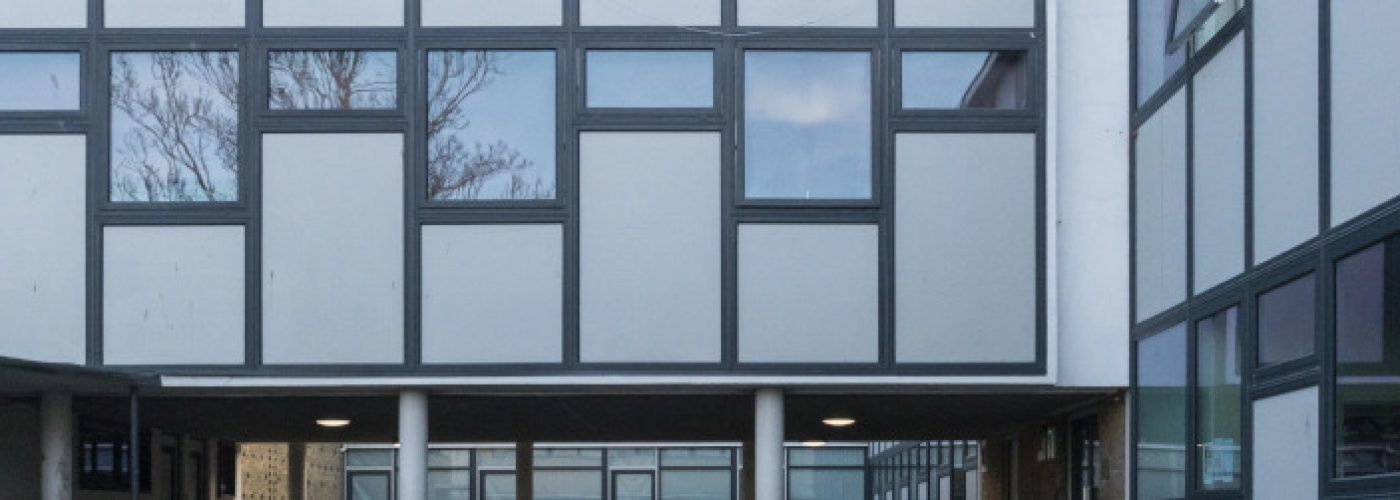


Overheating tends to get attention once it has already become a problem, when classrooms and offices are warm and the options are limited to whatever can be done at short notice. The colder months offer something more useful, which is time. Estates and facilities teams can look back at which rooms struggled, set that against budgets and plan the work before the weather turns again. A winter review can start with whatever records are to hand, such as temperature readings, complaints and the rooms staff avoid in warm weather.
What the latest school research shows
The scale of the issue is becoming clearer. A 2026 University of Southampton study looked at more than 500 maintained schools in Hampshire, covering nearly 9,000 classrooms, and monitored a sample of them between 2022 and 2023, a period that included record temperatures. The researchers project that the share of classrooms exceeding the comfort limits in the Department for Education’s Building Bulletin 101 (BB101) guidance could rise from 50% to 76% by 2050. They also estimate a medium-to-high impact on pupils’ cognitive function in 66% of classrooms at present, rising to 92% by 2050 without targeted interventions. Risk was highest in lightweight, naturally ventilated classrooms with large areas of glazing and limited solar control.
New builds are only part of the picture
New buildings are being designed with this in mind. Liberton High School in Edinburgh, which welcomed pupils to its new campus in August, was built to Passivhaus standard to reduce its reliance on active heating and cooling. A new design brief doesn’t help the classrooms already in use, and offices face a similar question. BDC has reported on the growing importance of London office retrofits, as owners modernise existing assets and look to improve their energy performance. Whether it’s a school block or an office floor, the practical question is what can be done about glazing that is staying put.
Treating the glazing that is staying put
One option is to treat the glass itself. Window film can be retrofitted onto existing glazing, so the windows stay where they are. A school estates team weighing that up could look at solar control film, which TS Window Films says can block up to 80% of heat and glare and be fitted at weekends and during holidays with minimal disruption. That timing matters for a winter plan, because the work can be fitted around the school calendar instead of being squeezed in after a heatwave.
Other measures and their trade-offs
The Southampton findings point to building type, glazing area, ventilation and solar control as the common factors in the worst-affected rooms, so each room deserves its own assessment. Property consultancy Barker Associates, in its guidance on keeping older school buildings cool, puts external shading ahead of air conditioning on long-term value, because it avoids adding energy use and maintenance. Air conditioning still has a place in some buildings. The same guidance describes film as cost-effective for tighter budgets, while noting that it won’t eliminate overheating on its own. Film can also reduce some daylight and winter solar gain, so the trade-offs and warranty terms are worth weighing before anything is specified.
Where offices differ
In offices the pressure comes from a different direction. Law firm Shepherd and Wedderburn notes there is no legal maximum working temperature, but the 1992 Workplace Regulations require the temperature in indoor workplaces to be reasonable. Employers are similarly expected to carry out a suitable risk assessment, with temperature one of the hazards to weigh up. The firm also points to simple measures such as blinds, open windows, fans and extra ventilation in extreme heat. With that guidance, facilities teams are then left to judge for themselves when a floor has become uncomfortable, which is far easier to do while the past summer’s records are still to hand.
Questions to ask
Before choosing any measure, it’s worth answering a few questions about the building.
- Which rooms or floors ran hottest, and at what times of day?
- Are there large areas of glazing exposed to direct sun?
- Can windows be opened safely, and does anything stop them?
- Who is responsible for external glazing?
- When is the next opportune time in the calendar to carry out work without disturbing lessons or tenants?
Answering these points over the winter leaves time to compare the best options and book the work, so the decisions are made on evidence instead of in the first hot week.