How Digital Transformation Is Changing the Construction Industry
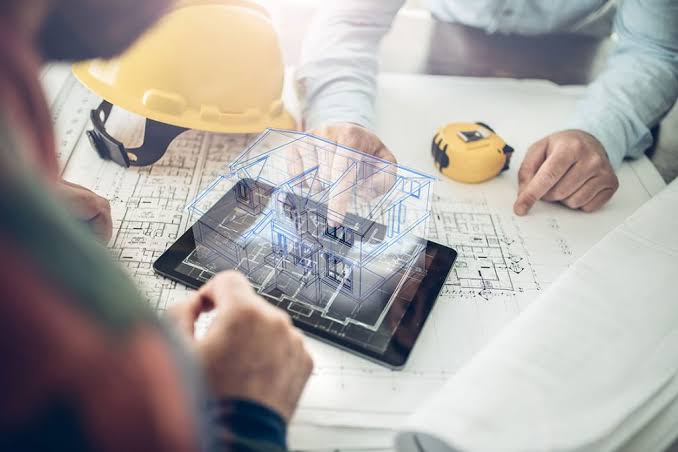
Construction runs on drawings, phone calls and a fair amount of trust. Digital tools have been creeping in for years: BIM models, drone surveys, cloud platforms. Still, plenty of crews work from printouts, and a change order can pass through three chat apps before anyone signs it. Here’s what actually works on site, what remains a prototype, why rollouts stall, and how to begin small.
Where Construction Gets Stuck
Picture a site trailer on a rainy Monday. Three versions of the same drawing on the table. A foreman snaps a photo of a cracked beam and drops it into a group chat, where it sinks under lunch orders by noon. The project manager hears about it two weeks later, when a subcontractor bills for rework. Familiar? Probably.
Software isn’t missing. Procore, Autodesk Construction Cloud and Trimble cover a huge chunk of the job. But every contractor has one awkward corner that no off-the-shelf product handles well, and at some point the sensible move is custom software development services aimed at that single headache, say, subcontractor payments that never match the site diary. A small tool, built for one problem, usually beats a giant platform nobody opens.
What Keeps Breaking
- The crew builds from a drawing revision the office replaced last month
- Inspection and safety forms start on paper and end up lost in an inbox
- Design, procurement and site each keep their own schedule
- Nobody can say quickly which excavator sits idle and which is booked twice
- Change orders get a verbal yes, and the paperwork follows after the work
What’s on the Market
Models, Twins and Game Engines
BIM left the buzzword stage long ago. Revit is standard on bigger projects, and the newer idea is the digital twin: the model stays alive after handover and takes live data from sensors in the finished building. Bentley pushes it for infrastructure, Siemens for building operations. Game tech crept in as well. Unreal Engine and Twinmotion now power walkthroughs, so a hospital client can wander down a corridor that doesn’t exist yet and complain about the door width before anything is poured.
The Plumbing Underneath
Models and apps get the attention. The real work sits below: ERP, procurement, payroll, equipment telematics, supplier portals. Studios that sell engineering rather than slides, bintime.com among them, tend to start there, with APIs, data pipelines and offline-first mobile apps for field teams standing in a basement car park with zero signal. Skip this layer, and the fancy dashboard shows yesterday’s numbers.
A Warning Called Katerra
Katerra raised enormous sums to turn construction into a tech-driven factory process, then went bankrupt in 2021. People still argue about why. Owning the whole chain at once and underestimating how messy real sites are come up most often. Software helps a lot. It doesn’t remove weather, subcontractors or soil.
Prototypes and Pilots
Robots on Site
Boston Dynamics’ Spot walks the same route every week with a 360 camera, so progress can be compared like before-and-after photos. Dusty Robotics prints wall layouts straight onto concrete, replacing the chalk-line-and-tape routine. Hilti’s Jaibot drills overhead holes, a job few people miss. Some of these machines work daily. Others still need a babysitter standing nearby.
Augmented Reality on a Hard Hat
Trimble’s XR10 fits a HoloLens 2 under a hard hat, letting workers see the model overlaid on the real structure. Cool in a demo. Dust, glare and thick gloves are less kind. Phone-based AR is cheaper, rougher and often more realistic.
Printed Houses
ICON has printed homes in Texas, including a neighbourhood near Austin with Lennar. The walls come out of a gantry printer, while the roof, wiring and plumbing are still done the old way. Interesting for the shell. Less so for everything that comes after.
Machines That Follow the Design File
Komatsu’s Smart Construction pairs drone scans with machine guidance, so earthmoving follows the plan instead of a stake in the ground. Autonomous haul trucks are mostly a mining story so far, since a quarry is more predictable than a city centre. Camera-based progress tracking, with OpenSpace as a well-known name, compares site images with the model and flags what’s falling behind.
Why Rollouts Fail
- The office picks the tool, and the crew hears about it later
- Training is one webinar, then everybody goes back to old habits
- Data entry doubles because the new system runs next to the old one
- Connectivity gets assumed, never checked
- Nobody owns the data afterwards, so it rots
Then comes the brutal one. A foreman with two hours before a concrete pour won’t open a form with seven taps. If the app is slower than a pen, the pen wins.
How to Start Without Wrecking the Schedule
- Pick one pain that costs money every week, for instance rework from wrong drawing versions.
- Spend a day on site watching how the work really happens, before writing any requirements.
- Build or buy the smallest fix: one form, one report, one integration.
- Test it on one project with a foreman who isn’t shy about complaining.
- Count what changed: hours saved, mistakes avoided, disputes closed faster.
- Roll it out to the next project only after that.
Dull? A bit. Still better than a nine-month transformation programme that dies when the budget year ends.
The Short Version
Construction isn’t slow because people there dislike technology. Projects are one-offs, teams change every few months, and every site is a fresh puzzle. Tools that respect that, working offline, simple enough for gloves and connected to the money side, tend to stay. The rest end up on a conference stage. Worth remembering before the next shiny pitch.