
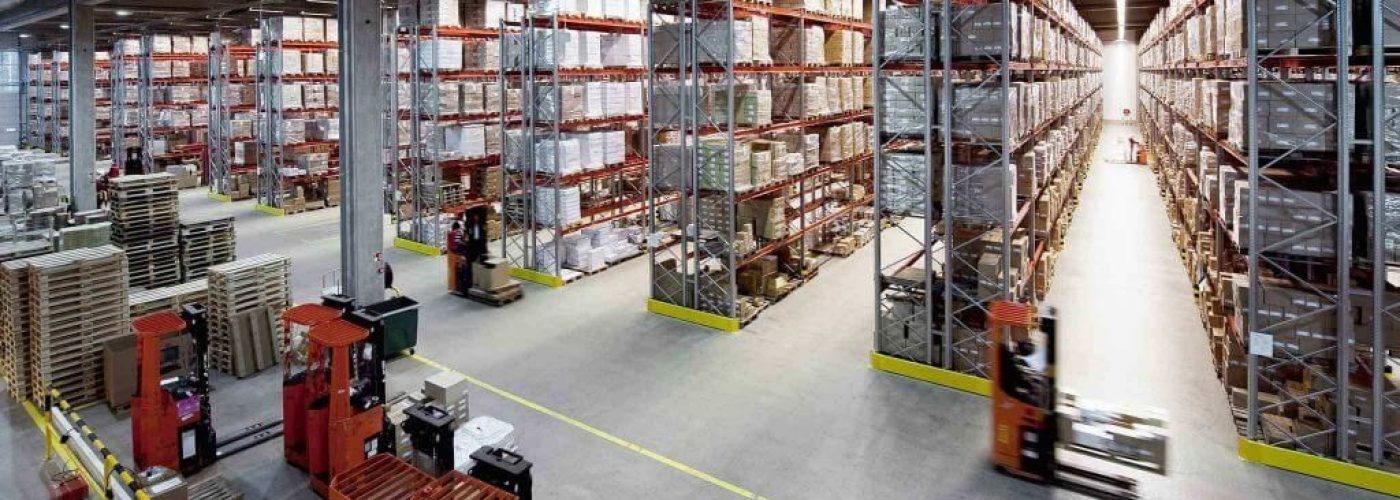


Pallet racking inspections are how UK businesses meet their legal duty to keep storage equipment safe. Every employer running a warehouse must ensure racking is maintained and fit for use. Inspections are the mechanism that proves it to regulators, insurers and your own team. Skip them, and a dented upright can quietly become a collapse risk.
This guide answers the questions warehouse and facilities managers actually ask. Is an inspection legally required? How often should it happen, and who is qualified to do it? What does it cost, and how long does the report last? By the end, you will know exactly what good practice looks like.
Is pallet racking inspection a legal requirement in the UK?
In effect, yes. Pallet racking counts as work equipment, so it falls under the Provision and Use of Work Equipment Regulations 1998 (PUWER). Employers also carry a general duty under the Health and Safety at Work etc. Act 1974. Together, these require storage equipment to be safe, maintained and inspected where risk demands it.
Neither law names racking specifically, which is where guidance fills the gap. The Health and Safety Executive publishes HSG76, its warehousing guidance, which covers racking inspection expectations. Alongside it sit the codes of practice from SEMA, the Storage Equipment Manufacturers Association. SEMA is the UK trade body that sets recognised standards for storage equipment design, use and inspection.
Following HSG76 and SEMA guidance is how businesses demonstrate compliance in practice. If an incident occurs, inspection records are among the first documents investigators request. A written inspection regime is therefore both a safety measure and a legal safeguard. Racking regulations are not optional paperwork, they describe the standard you will be judged against.
How often should pallet racking be inspected?
Recognised guidance describes three tiers of inspection, each at a different frequency. Immediate checks should follow any impact or incident that may have damaged the racking. Regular visual checks, often weekly, should be carried out by a trained nominated person. An expert inspection should then take place at least once a year.
The nominated person is usually called the PRRS (the Person Responsible for Racking Safety). Their job is to walk the racking on a set schedule and record what they find. They look for leaning frames, dented uprights, missing beam locks and damaged protection. Documented routine checks catch small problems before they become structural ones.
The annual expert inspection is a deeper, technical assessment of the whole installation. It reviews the system against the manufacturer’s specification and current SEMA standards. Think of the tiers as layers of defence rather than alternatives. Daily vigilance, weekly discipline and annual expertise work together, and each catches what the others miss.
There is a simple commercial logic here too. A scheduled inspection costs a fraction of an unplanned bay closure. Proactive checks protect stock, uptime and people at once. Reactive repairs after a failure protect none of them.
Who can carry out a racking inspection?
The answer works in layers, matching the three tiers above. Every warehouse operative should be trained to spot and report damage immediately. The routine visual checks need a trained, nominated person, the PRRS. The annual expert inspection, however, must be carried out by a technically competent person.
In the UK, the recognised benchmark for that competence is the SARI qualification. SARI stands for SEMA Approved Racking Inspector, an inspector trained, examined and approved by SEMA itself. A SARI assesses damage against defined tolerances rather than judgement alone. Their report gives you findings you can act on and evidence you can rely on.
This is why businesses seek out SEMA approved pallet racking inspections rather than informal look-overs. The approval means the inspection follows a consistent, industry-agreed method. It also means the person signing the report has proven their competence to the standards body. Anyone can glance at racking; far fewer people are qualified to certify its condition.
One related point often causes confusion. Installation and repair work has its own scheme, SEIRS, the Storage Equipment Installers Registration Scheme. Inspection tells you what is wrong; SEIRS-registered installers are the people to put it right.
What happens during a professional racking inspection?
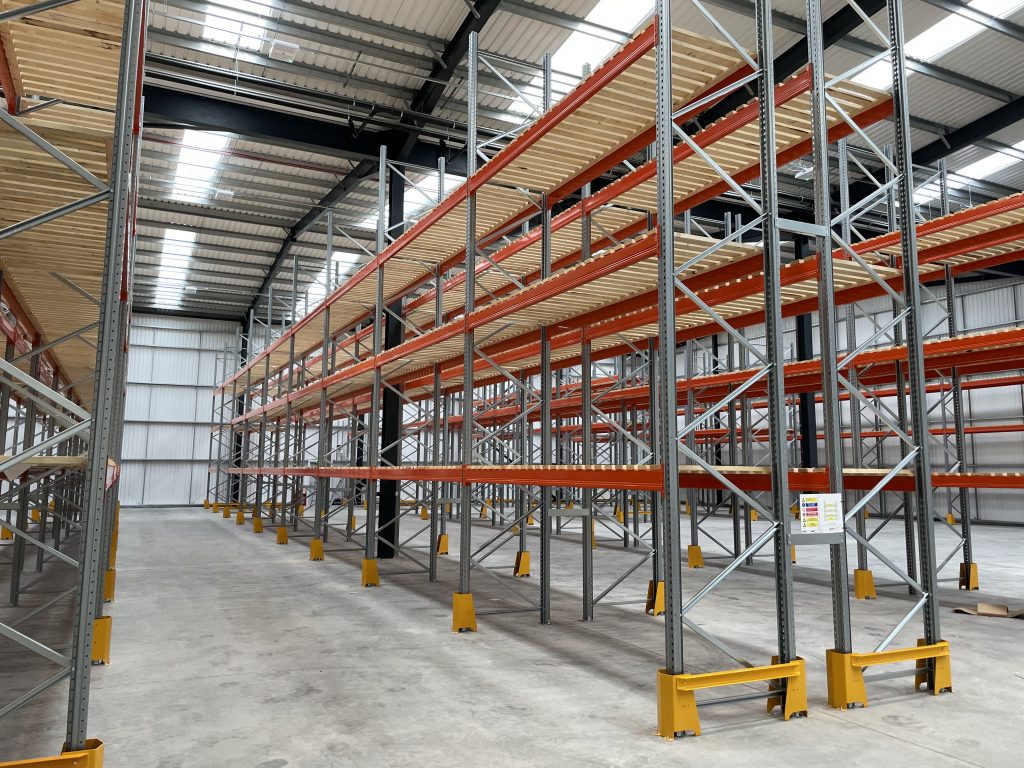
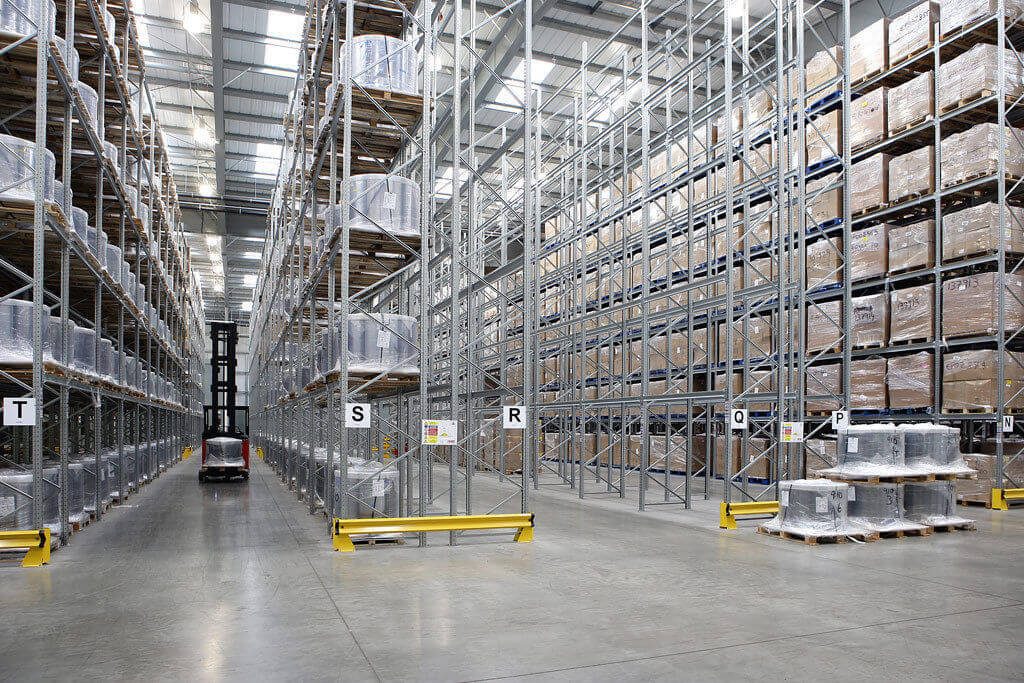
A professional inspection is systematic, not a casual walk-through. The inspector works through every structural element of the installation in turn. That means uprights and frames, beams and their locks, bracing, baseplates and floor anchors. It also covers rack protection, load signage, decking and the general condition of aisles.
Findings are recorded in a written report, with damage classified by risk. Most inspectors use the SEMA traffic-light system to prioritise action. Green means minor or cosmetic issues to monitor. Amber means damage needing prompt attention, with the affected bay offloaded and booked in for pallet racking repair services. Red means serious damage and the bay must be unloaded immediately and isolated until repaired.
The classifications turn an inspection into a working action plan. You know instantly what is safe, what needs scheduling and what needs stopping. A good report also records locations precisely, so repairs target the right bays. That documentation becomes part of your ongoing compliance record.
How long does a racking inspection report last?
A racking inspection report is not a twelve-month safety certificate. It records the condition of your racking on the day of inspection, nothing more. A forklift impact the following week changes the picture immediately, whatever the report says. Treat the report as a snapshot, not a season ticket.
This is exactly why the tiered inspection system exists. The annual expert inspection sets a professional baseline for the installation. The weekly checks and impact reports then police the gap between expert visits. Together they give continuous assurance, which no single document can provide alone.
How much does a pallet racking inspection cost?
There is no single fixed price, because no two warehouses are alike. Reputable providers quote after surveying the site rather than from a standard rate card. The main factors are the number of bays, layout complexity, location and the depth of reporting required. Remedial follow-up, such as repair quotations, may be included or priced separately.
The sensible approach is to request site-specific quotes from warehouse pallet racking experts and compare like for like. Check that each quote covers the inspection, the written report and the damage classifications. The cheapest visit is poor value if the report is too thin to act on.
The real cost of skipping inspections
The consequences of neglect reach well beyond a failed audit. Rack collapse is among the most dangerous incidents a warehouse can experience. Tonnes of stock and steel can fail with almost no warning. People, products and buildings are all in the path when it happens.
The commercial fallout follows quickly. HSE investigators will ask for your inspection and maintenance records first. Missing records make enforcement action and prosecution far more likely. Insurers ask the same questions, and a claim can be challenged where maintenance cannot be evidenced. An uninspected system is an unquantified liability sitting in the middle of your operation.
Then there is downtime, the cost every operations manager understands. A collapsed or quarantined run of racking removes storage capacity overnight. Orders slip, agency costs rise and recovery takes weeks. Set against all this, a planned programme of pallet racking inspections is one of the cheapest controls in the building.
The conclusion is straightforward. Train your team to report damage, appoint and support a PRRS, and book an expert inspection at least annually. Safe racking is not an overhead, it is the foundation the whole operation stands on.